
The Rise of African Youth: A New Era of Decolonization and Economic Liberation
Written by Peter Grear
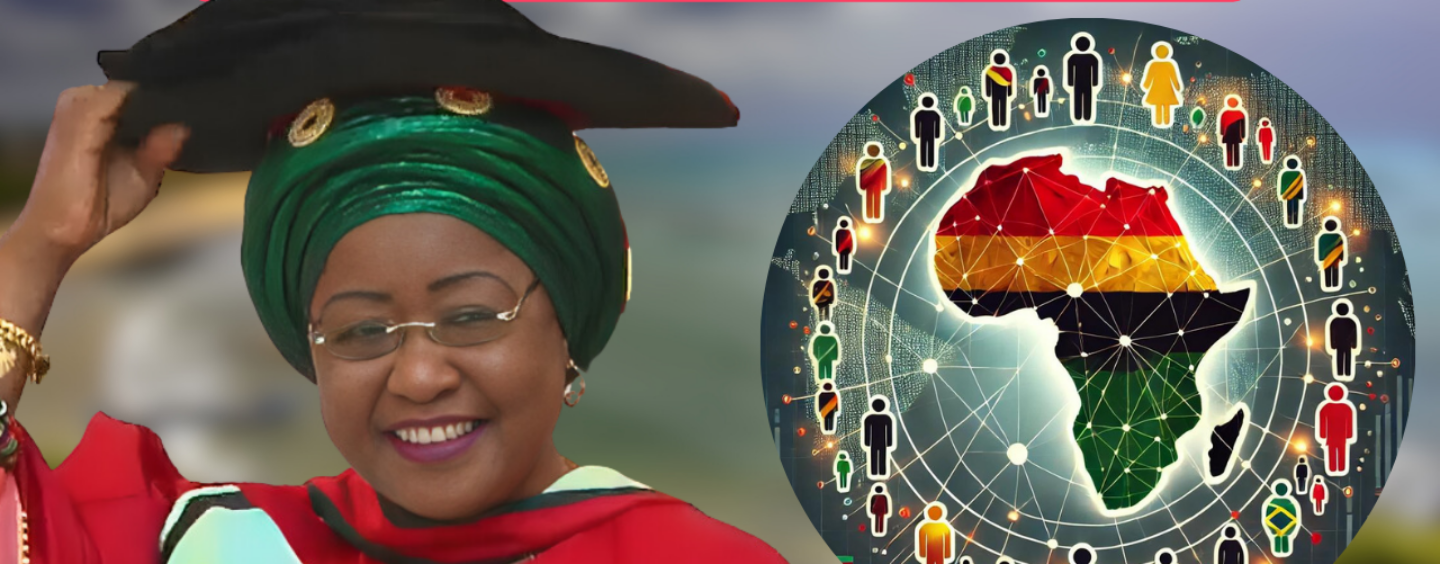
In a passionate address during the 14th Kwame Nkrumah Memorial Lectures at Cape Coast University, Dr. Arikana Chihombori-Quao, the former African Union Ambassador to the United States, reignited the call for true independence in Africa. Speaking on the theme “African Youth Rises: The Revolution Has Begun,” she challenged the accepted narrative of Africa’s 20th-century decolonization, labeling it fake independence. Dr. Arikana’s insights not only reflect on the failures of the past but also urge Africa’s youth to rise against neo-colonial structures still present today. Her message is clear: Africa’s liberation will come from within, led by its youth and supported by women, but only if decisive action is taken.
Dr. Arikana began her speech with a bold assertion: the so-called independence that African countries achieved in the 1950s and 60s was a façade. She used the metaphor of a once-thriving tree to describe the state of African nations post-independence. The roots of this tree, representing Africa’s foundational resources, have been neglected and systematically weakened by external forces and ineffective leadership. As a result, the fruits and branches—representing the continent’s development—are falling short. Western powers, she argued, are still deeply embedded in Africa’s governance structures, ensuring that the continent remains divided and dependent. The independence movements were ultimately undermined by the reluctance of African leaders to unite, as illustrated by the historical divide between the progressive Casa Blanca Group led by Kwame Nkrumah and the conservative Monrovia Group.
Kwame Nkrumah and the Casa Blanca Group envisioned a united Africa that would speak with a single voice, operate under a unified customs union, and build its own central bank and military. Their vision for an integrated Africa was the only way to achieve genuine political and economic liberation. However, the Monrovia Group, consisting of 35 countries that favored gradualism and continued ties with former colonial powers, won the ideological battle. This internal division has delayed Africa’s progress for decades.
Dr. Arikana also highlighted the persistence of neo-colonialism, where multinational corporations, international NGOs, and foreign embassies continue to exert influence over African affairs. These entities, she warned, are wolves in sheep’s clothing, often presenting themselves as supporters of development while perpetuating exploitation. Corporations, in particular, have been described as the new colonizers, siphoning off Africa’s resources under the guise of investment and economic aid. The failure of African leadership to stand up to these external pressures has allowed this exploitation to continue unchecked.



No Comments so far
Jump into a conversationNo Comments Yet!
You can be the one to start a conversation.Only registered users can comment.