
The $584 Million Rebirth: Traoré’s Diaspora Homecoming and What It Means for Africa’s Future
By Peter Grear, with AI assistance
November 2, 2025
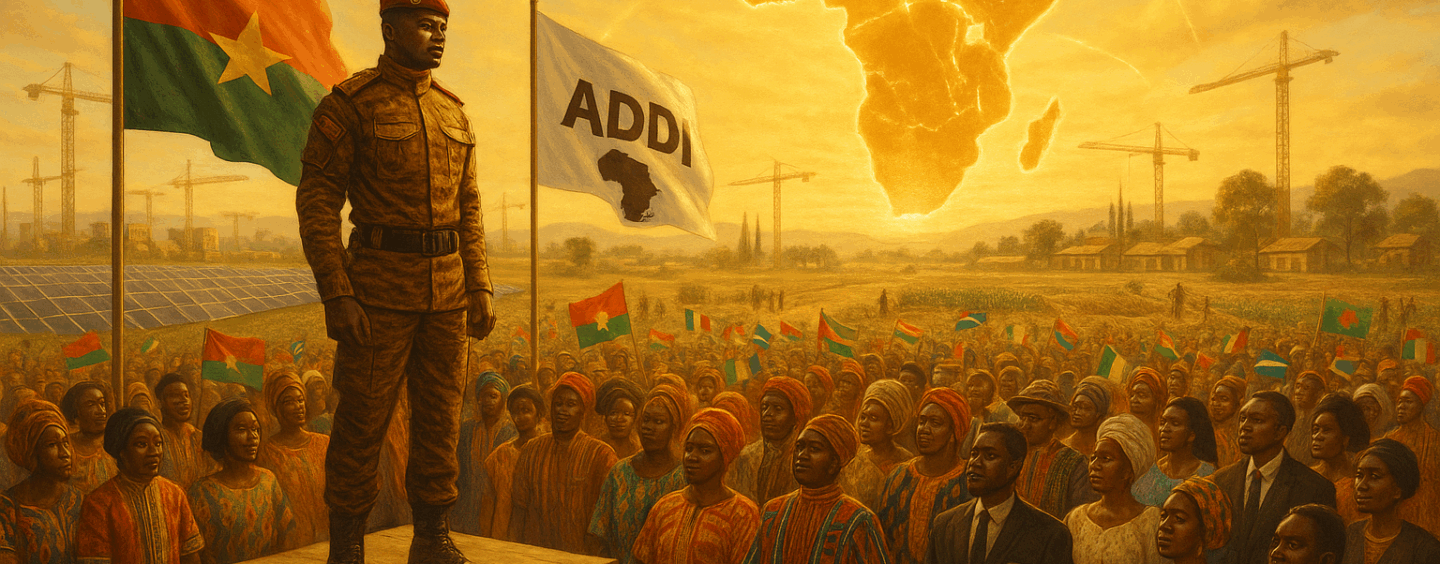
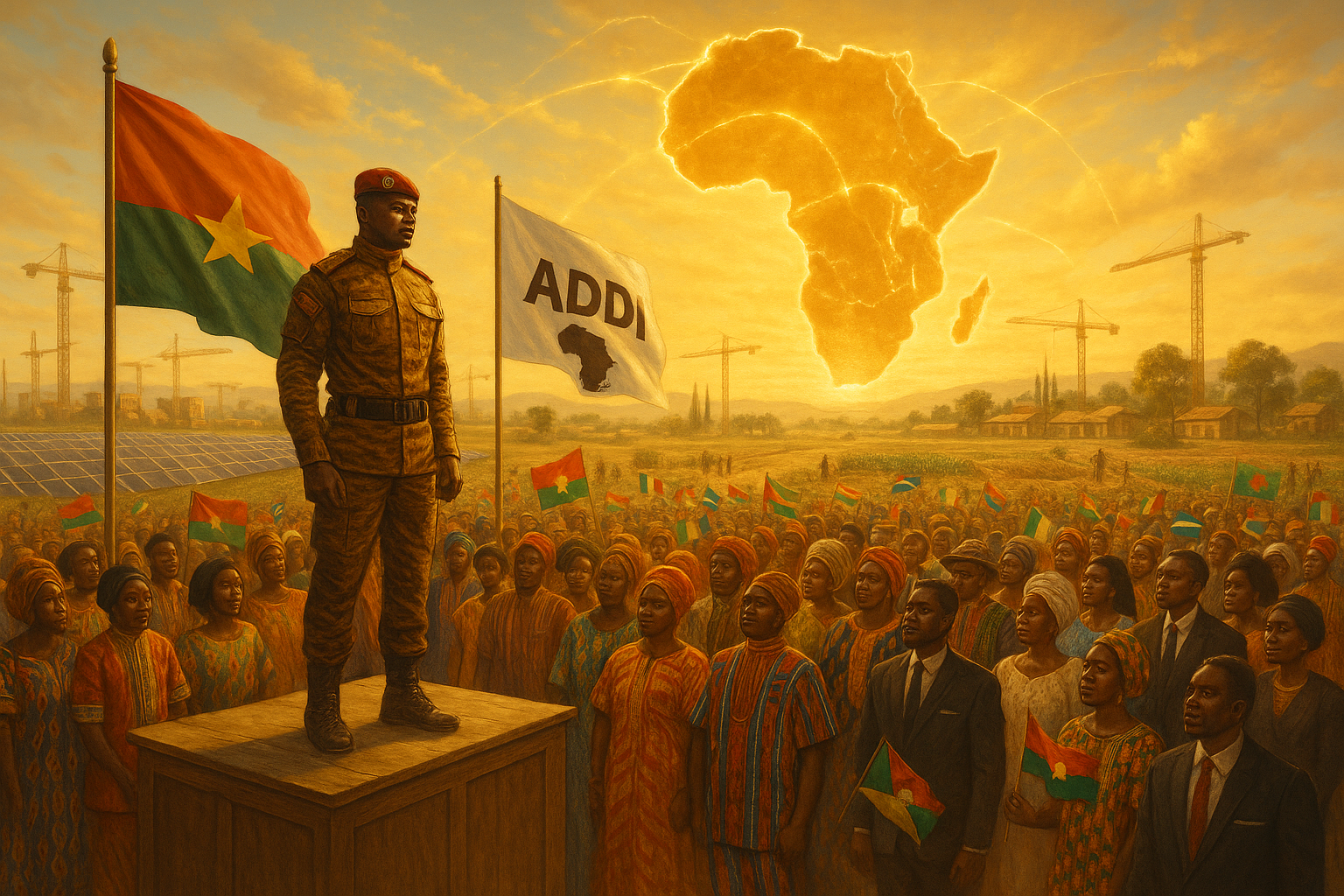
When nearly 700 descendants of Africa stepped onto Burkinabè soil in late October 2025, it was more than a symbolic return—it was a statement of sovereignty. Under the leadership of Captain Ibrahim Traoré, Burkina Faso has positioned itself as a front-runner in Africa’s growing movement to reconnect the diaspora through identity, economics, and shared power. The visit, coordinated with the African Diaspora Development Institute (ADDI), has been hailed as a cultural milestone and, increasingly, as an economic one.
The Homecoming Heard Around the World
From October 26 to November 8, the Burkinabè government and ADDI hosted delegations of African Americans, Caribbeans, and Europeans of African descent in a series of homecoming events. Reports from West Africa Democracy Radio confirm that roughly 700 participants joined the ceremonies—among them investors, educators, and activists determined to help rebuild the continent that built the modern world.
Traoré’s message was clear: “Africa no longer asks for permission to define herself.” The homecoming events featured cultural performances, tours of historical sites, and discussions about industrialization and local-value creation. Diaspora participants were encouraged not only to explore their ancestry but to identify partnership opportunities in agriculture, renewable energy, mining services, and technology.
The “$584 Million Rebirth” Claim
The viral phrase “$584 Million Rebirth” circulating online refers to the estimated value of projects and investments under discussion during the visit. While no government document yet confirms that specific figure, the spirit of the claim reflects a massive infusion of diaspora capital and technical expertise now being directed toward Burkina Faso’s rebuilding effort.
ADDI and Burkinabè agencies are reportedly examining co-operative business models and joint-venture zones that allow returning descendants to invest in manufacturing, processing, and export-ready sectors—breaking the pattern of raw-material dependence that has historically enriched foreign interests more than Africans themselves.
Even without official confirmation of the total amount, the momentum itself is transformative. It redefines the relationship between diaspora philanthropy and nation-building, turning sentimental pilgrimages into tangible development strategies.
West Shock—and African Resolve
Western media reaction to Traoré’s bold initiatives has ranged from cautious curiosity to thinly veiled alarm. Phrases such as “West Shock” appearing in Pan-African social feeds capture that unease: the sense that the balance of influence is shifting. For centuries, Africa’s most valuable exports were its people and resources. Now, both are coming home—people voluntarily, resources under new terms.
The Sahel Alliance of Burkina Faso, Mali, and Niger—nations that have expelled colonial-era military presences and strengthened intra-African cooperation—illustrates that Africa’s new generation of leaders sees diaspora inclusion as a form of economic defense. Western governments that once dictated Africa’s trade conditions are discovering that heritage diplomacy has become an alternate channel of foreign policy, one they do not control.
Citizenship as Capital
For many participants, the highlight of the trip was the announcement of pathways to citizenship or permanent residency for African descendants wishing to invest or settle in Burkina Faso. The symbolism runs deep: centuries after forced displacement, descendants of the enslaved may now hold legal recognition in the lands of their ancestors.
But the vision is not merely emotional. It is economic. By granting citizenship tied to productive participation—business formation, technology transfer, youth training—the government signals that identity must yield measurable local value. Each new citizen is a potential employer, mentor, or manufacturer.
Building the Infrastructure of Belonging
The challenge ahead lies in converting ceremony into system. Analysts suggest that sustaining this momentum requires three steps:
- Institutional frameworks—clear laws governing diaspora investment, property rights, and dual citizenship.
- Economic corridors—industrial parks, export hubs, and cooperative banks designed to absorb diaspora capital efficiently.
- Information transparency—publicly available procurement calendars and metrics to monitor how diaspora-linked projects perform.
This is where initiatives like Right of First Refusal (RoFR)—advocated by Greater Diversity News and its partners—become crucial. RoFR would guarantee that diaspora-led consortia have the first opportunity to bid on national projects, provided they demonstrate local hiring, training, and value-addition. It’s a principle that transforms heritage into policy.
The Global Ripple Effect
If Burkina Faso’s experiment succeeds, it could set off a wave of similar programs across the continent. Ghana’s Year of Return opened the emotional door; Traoré’s initiative may open the economic one. A successful model would invite billions in private diaspora capital—enough to rival traditional foreign aid and reshape Africa’s credit landscape.
Already, Pan-African organizations and chambers of commerce are studying how to replicate Burkina Faso’s framework in Ghana, Sierra Leone, and Rwanda. The underlying message is the same: diaspora wealth belongs first where the Black world began.
The Road Ahead
As celebrations conclude in Ouagadougou, the question shifts from “How many returned?” to “How much will remain?” Heritage without structure can fade into nostalgia, but structured heritage—anchored in laws, industries, and measurable outcomes—becomes nation-building.
For The Economic Liberation of Africa movement, this moment represents both inspiration and challenge. The call is to keep the spotlight on accountability, opportunity, and inclusion—to ensure that the next wave of returnees finds not just welcome banners but working factories, transparent contracts, and youth employment pipelines.
The so-called “$584 Million Rebirth” is less about one country’s budget line than about a continent reclaiming its narrative. It is proof that Africa’s most powerful resource—its people—is finally coming home.
Join the conversation—leave your take or a question.
Help grow The Economic Liberation of Africa conversation—forward this article to someone curious about Africa-centered opportunity.
Support the mission: Donate to Greater Diversity News to fund independent Pan-African journalism and diaspora-investment research.



No Comments so far
Jump into a conversationNo Comments Yet!
You can be the one to start a conversation.Only registered users can comment.