
Freedom Schools Reborn: How Alternative Education Models Are Filling the Void
By Peter Grear, with AI assistance
February 6, 2026
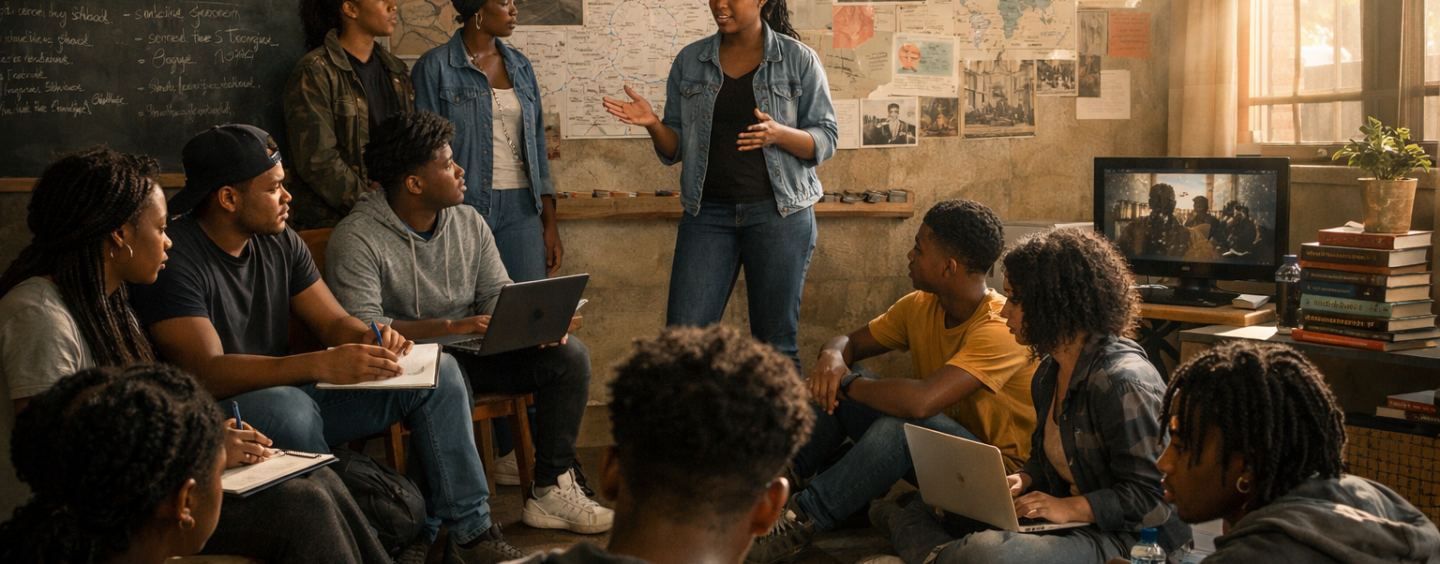
Across the United States, a quiet but consequential shift is underway. As public education systems strain under political pressure, chronic underfunding, and cultural backlash, Black youth are increasingly turning elsewhere for the knowledge they feel they are not receiving. In that vacuum, a familiar model has re-emerged—updated for a new generation but rooted in a long tradition of resistance: Freedom Schools.
Once a tactical response to Jim Crow segregation, Freedom Schools are being reborn as alternative education spaces where Black youth learn history, power, organizing, and survival skills that are often missing—or deliberately excluded—from formal classrooms.
The Original Freedom Schools
Freedom Schools first emerged during the Civil Rights Movement, most notably during Mississippi’s 1964 Freedom Summer. Organized by activists connected to the Student Nonviolent Coordinating Committee, these schools were created to counter an education system designed to keep Black communities politically powerless.
They taught reading and writing, but also civic participation, Black history, critical thinking, and the mechanics of voter registration. The goal was not simply academic achievement—it was liberation through consciousness.
Freedom Schools recognized a truth that remains relevant today: when traditional institutions fail or refuse to educate honestly, communities build their own.
Why the Void Is Growing Again
Today’s education crisis looks different, but the outcome is similar. Across the country, young people are navigating:
- Curriculum bans targeting Black history and racial justice
- Political attacks on ethnic studies and DEI programs
- Schools over-policed but under-resourced
- Rising student debt and shrinking opportunity pipelines
For many Black youth, school has become a place where their lived reality is ignored, sanitized, or treated as controversial. As a result, trust in formal education as a pathway to empowerment is eroding.
This is where alternative education models step in—not as replacements for school, but as correctives to its failures.
Freedom Schools for the Digital Age
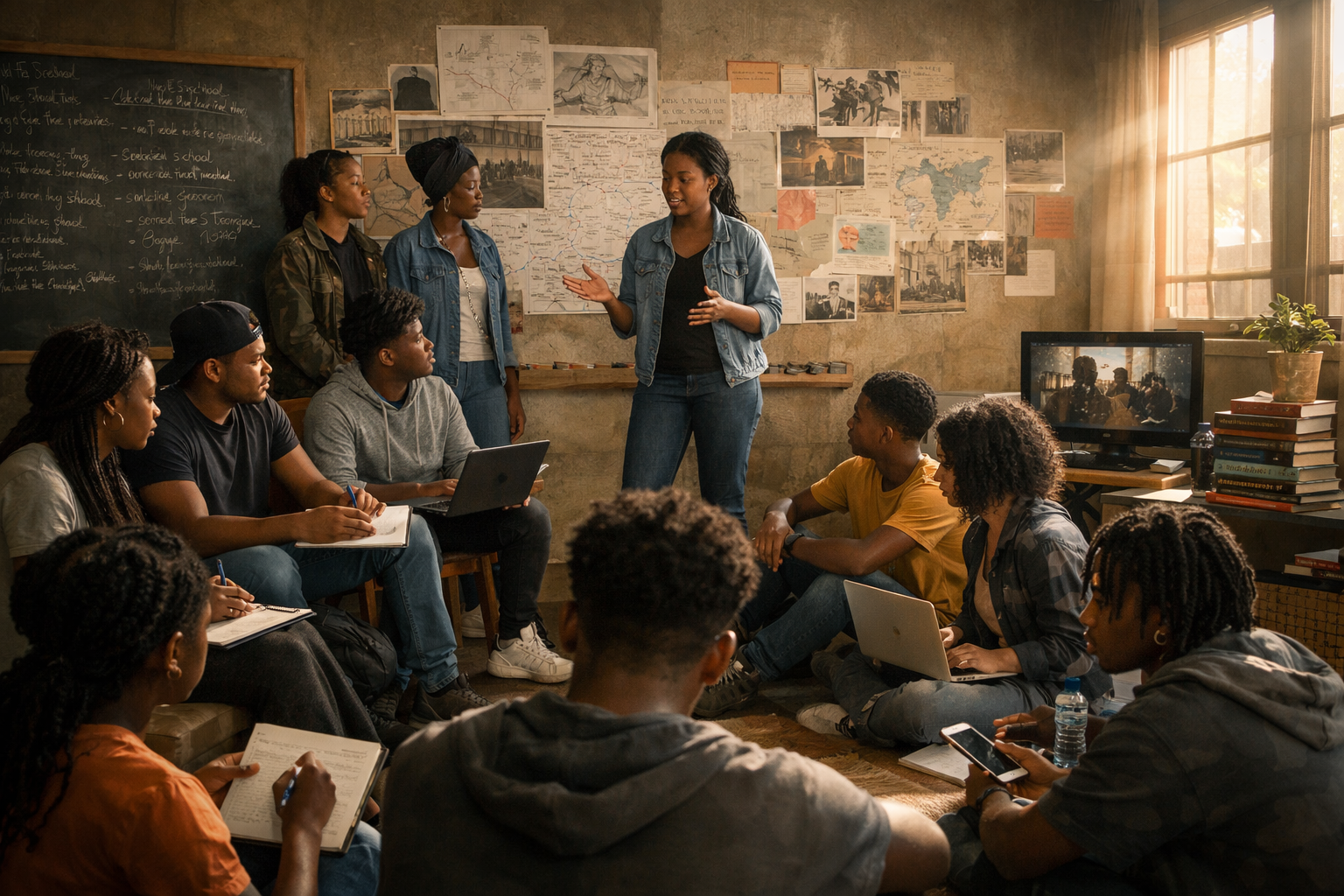
Modern Freedom Schools don’t always look like classrooms. They take many forms:
- Community-based political education circles
- Virtual teach-ins and social media lecture series
- Youth-led workshops on organizing, media literacy, and economics
- Cultural spaces blending art, history, and strategy
What unites them is intent. These spaces are unapologetically youth-centered, historically grounded, and explicitly political. They teach young people how systems work, why inequities persist, and how collective action creates leverage.
In an era of algorithm-driven misinformation, these models also emphasize critical media literacy—helping youth separate narrative from fact and propaganda from analysis.
Education as Power, Not Credential
A defining feature of today’s Freedom School revival is its rejection of education as merely credentialing. Degrees still matter, but many youth recognize that credentials alone do not guarantee security, dignity, or influence.
Instead, alternative education spaces prioritize:
- Political fluency
- Economic literacy
- Organizing skills
- Historical memory
- Collective problem-solving
This shift reflects a deeper insight: knowledge is only empowering when it is usable. Freedom Schools teach not just what happened, but what to do next.
Youth as Both Students and Teachers
Unlike traditional hierarchies, modern Freedom Schools often operate on shared leadership. Young people are not passive recipients of knowledge—they are facilitators, researchers, and content creators.
This model mirrors broader trends in Black youth activism, where leadership is distributed and experience is valued alongside formal expertise. It also reflects a refusal to wait for validation from institutions that have historically excluded Black voices.
In these spaces, learning is collaborative, adaptive, and responsive to real-world conditions.
Why This Matters for the Future
The rebirth of Freedom Schools signals more than dissatisfaction with public education. It reflects a generation preparing itself for long-term struggle in an uncertain political and economic landscape.
By building parallel education systems, Black youth are doing what earlier generations did when faced with exclusion: they are designing infrastructure for survival and self-determination.
These models are also portable. They move across campuses, neighborhoods, digital platforms, and even borders—connecting U.S.-based youth to global Black struggles and diasporic knowledge networks.
The Lesson Institutions Keep Missing
Rather than asking why youth are disengaging from traditional education, institutions might ask a more revealing question: What are young people teaching themselves that we are refusing to teach?
Freedom Schools are not a rejection of learning. They are a demand for learning that tells the truth.
Looking Ahead
As debates over curriculum, history, and identity intensify, alternative education models will only grow more influential. Freedom Schools—reborn in form if not in name—are shaping how a new generation understands power, history, and possibility.
For Black youth, education has never been neutral. It has always been either a tool of control or a weapon of liberation. Today’s Freedom Schools make their choice clear.
Join the conversation
Have you participated in a Freedom School, teach-in, or alternative education space?
Join the conversation—leave your take or a question.
Support independent Black media
This article is part of The Economic Liberation of Africa youth series published by Greater Diversity News.
Donate to GDN – Greater Diversity News | Subscribe – Greater Diversity News
Help grow The Economic Liberation of Africa conversation—forward to someone curious about Africa-centered opportunity.



No Comments so far
Jump into a conversationNo Comments Yet!
You can be the one to start a conversation.Only registered users can comment.