
Africa’s $1 Trillion Super-Corridors: The New Highways of Economic Liberation
By Peter Grear, with AI assistance
Publication Date: November 19, 2025
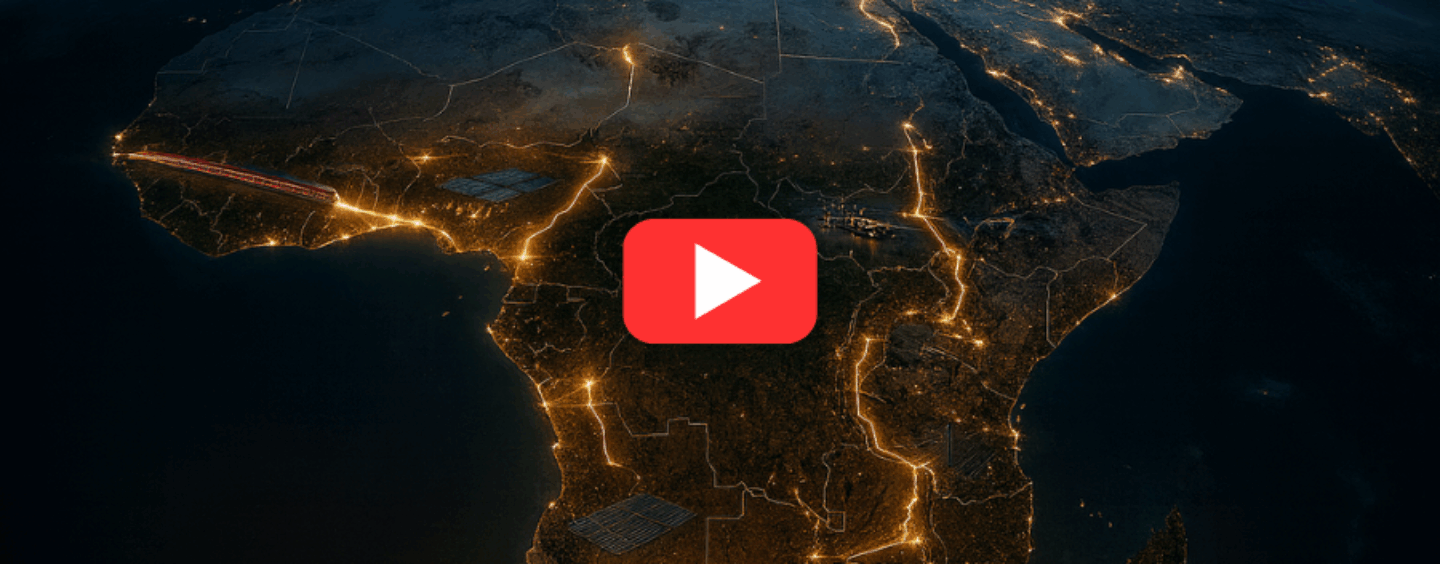
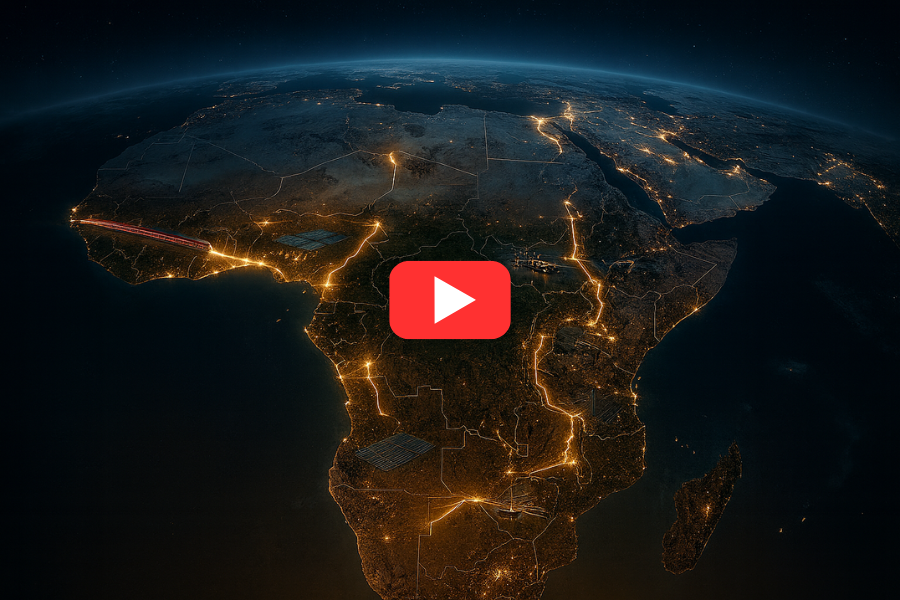
Africa is building something unprecedented: five continent-shaping infrastructure corridors collectively valued at more than $1 trillion, stretching from the Mediterranean to the Cape, and from the Atlantic to the Indian Ocean. These corridors—Lobito, LAPSSET, the West Africa Coastal Corridor, the Trans-Sahel Secured Corridor, and the North–South Corridor—represent the most ambitious physical integration effort in Africa’s post-colonial history. They are not just construction projects; they are the blueprint for how Africa will control its minerals, modernize its logistics, power its industries, and anchor the rise of the African Continental Free Trade Area (AfCFTA).
For decades, Africa’s economic potential has been constrained by fragmentation: small markets, disconnected transport systems, and export routes designed during colonial times to benefit external powers. But Africa is now reorganizing itself around value chains, regional power grids, multi-country rail systems, and logistics networks that center African interests and African ownership. This shift is creating anxiety in Washington and other global capitals—not because Africa is turning away from partnership, but because Africa is finally turning toward strategic self-determination.
- The Lobito Corridor: Control of Critical Minerals
Stretching from Zambia and the Democratic Republic of Congo to the Atlantic coast of Angola, the Lobito Corridor is fast becoming the most important non-Chinese route for cobalt, copper, lithium, and manganese. The West sees it as a hedge against Chinese dominance, but Africa sees it as a chance to build smelters, battery plants, and mineral-processing clusters on African soil, not overseas.
For the African diaspora, this corridor is a once-in-a-generation opportunity to participate in minerals beneficiation, logistics services, value-added manufacturing, and the training pathways needed to staff these sectors. Under the Right of First Refusal (RoFR), diaspora-owned firms are better positioned than ever before to match or beat outside bids and claim a stake in this transformation.
- LAPSSET: The East African Industrial Spine
Kenya’s Lamu Port–South Sudan–Ethiopia Transport (LAPSSET) Corridor is redefining East Africa. With new ports, industrial cities, oil pipelines, highways, and rail lines, LAPSSET is creating one of the continent’s most powerful export and manufacturing engines. This corridor will connect landlocked economies to global markets and anchor new special economic zones where African apparel, electronics, agricultural products, and green-energy technologies will be manufactured at scale.
It is a natural fit for diaspora investors seeking to build factories, logistics companies, tech hubs, or supply chain operations in regions strategically positioned for growth.
- The West Africa Coastal Corridor: Africa’s Rising Blue Economy
Running from Côte d’Ivoire to Nigeria, this highway-rail-fiber super-corridor will connect some of Africa’s fastest-growing cities. For the first time, West Africa will have a seamless coastal artery capable of supporting large-scale manufacturing, fisheries, tourism, and digital commerce.
With a coordinated corridor-wide digital backbone, diasporans can build fintech platforms, e-commerce brands, processed food companies, and real estate developments tied to port expansion and rising trade flows.
- The Trans-Sahel Secured Corridor: Stability Meets Strategy
Spanning Senegal, Mali, Burkina Faso, Niger, and Chad, this corridor is both a security project and an economic reawakening. It links gold, uranium, iron, and lithium belts with major solar-energy zones. After the rise of the new Sahel Alliance governments—and Burkina Faso’s increasing emphasis on Pan-African unity—this route is central to Africa’s internal sovereignty.
Diaspora investors can engage in solar EPC projects, ethical mineral refining, agribusiness modernization, and cybersecurity infrastructure. For ADDI and Pan-African development groups, this corridor is symbolic of a deeper shift: Africans building systems for Africans.
- The North–South Corridor: A Continental Artery
Connecting Egypt to South Africa, the North–South Corridor integrates rail lines, inland ports, power connectors, and highways. It will allow goods to move from one end of Africa to the other faster, cheaper, and more reliably than at any other time in history.
It is also the largest potential market for diaspora-led logistics firms, trucking cooperatives, renewable-energy producers, and AfCFTA-aligned export companies.
The Strategic Shift: Africa Is Rewiring the World’s Trade Map
Together, these super-corridors reduce Africa’s dependence on outside actors and transform the continent into a single, empowered economic bloc. This is why Washington and other powers are worried—not because Africa is hostile, but because Africa is finally building the infrastructure of independence, not extraction.
For the diaspora, these corridors are not spectators’ projects. They are entry points into the next 50 years of African wealth creation. With RoFR advancing in multiple countries, African descendants globally now have preferred access to the deals that will define the continent’s economic destiny.
The only question left is whether the diaspora will seize this moment.
Donate to GDN – Greater Diversity News | Subscribe – Greater Diversity News
Join the conversation—leave your take or a question. Help grow The Economic Liberation of Africa conversation—forward to someone curious about Africa-centered opportunity.



No Comments so far
Jump into a conversationNo Comments Yet!
You can be the one to start a conversation.Only registered users can comment.