
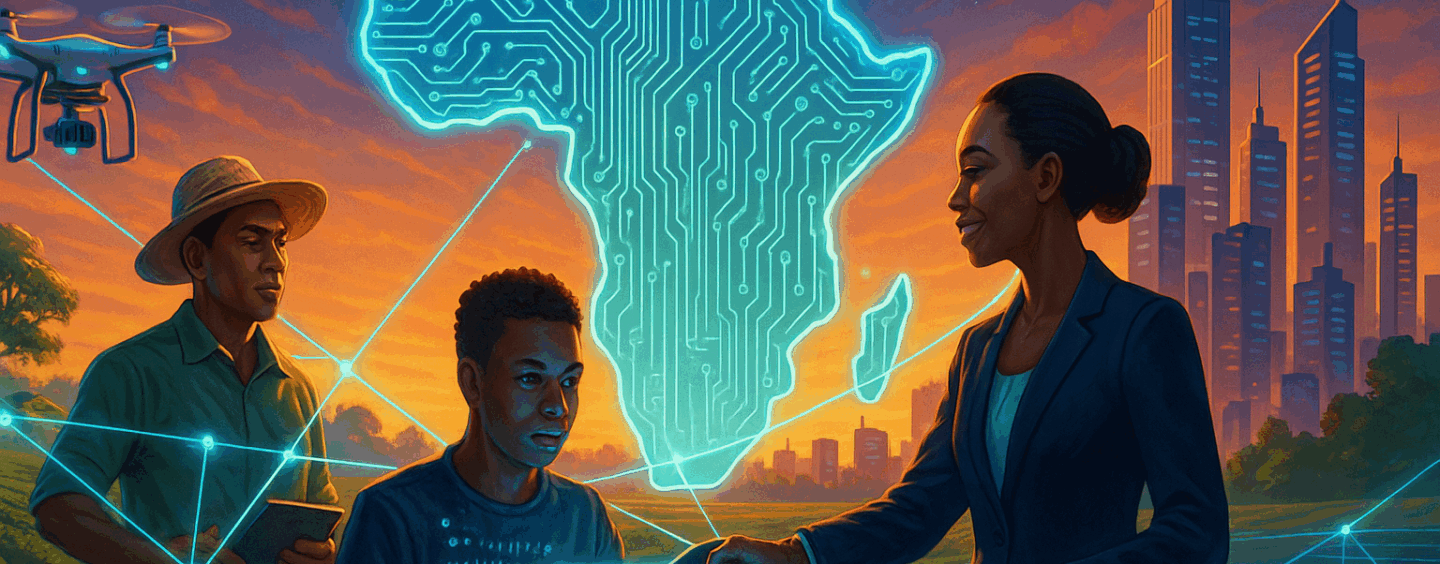
AI and the Economic Liberation of Black People
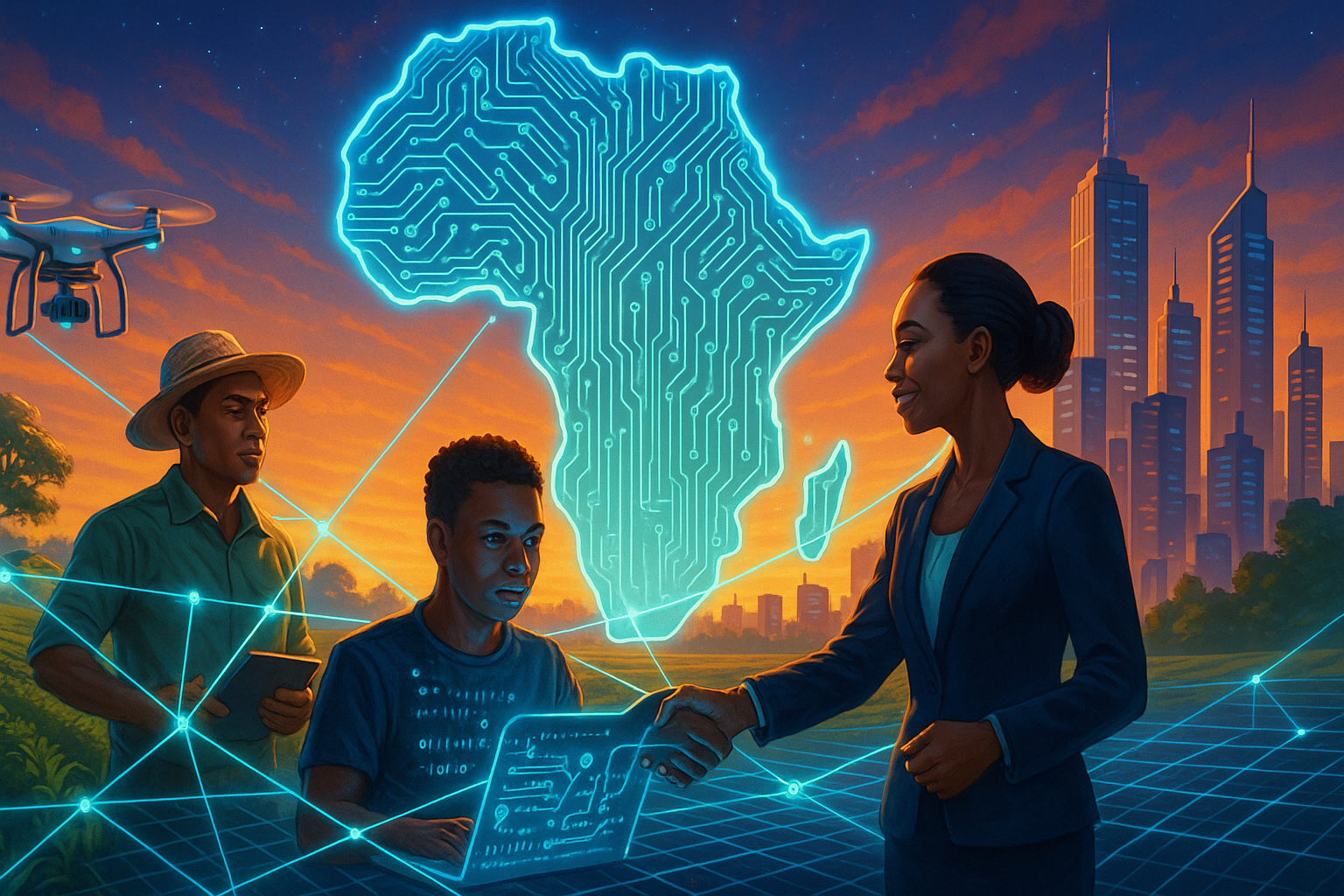
AI and the Economic Liberation of Black People
By Peter Grear, with AI assistance
September 3, 2025
Artificial Intelligence (AI) is transforming industries worldwide, and for Black people across Africa and the diaspora, it carries the potential to accelerate economic liberation. If harnessed strategically, AI can help close the wealth gap, dismantle systemic barriers, and create new opportunities for empowerment rooted in Pan-African principles of unity, equity, and self-determination.
AI in Entrepreneurship and Business Development
Black entrepreneurs have historically faced barriers to capital, markets, and business infrastructure. AI is helping to level that playing field. Automated tools such as chatbots, bookkeeping software, and digital marketing optimizers reduce operational costs for small businesses, giving them competitive advantages once reserved for large corporations.
More importantly, AI-powered procurement platforms can be designed to prioritize Black-owned businesses. This is where the concept of the Right of First Refusal (RoFR) comes in: by combining AI with policy, diaspora entrepreneurs can be automatically matched with African procurement opportunities, ensuring that contracts and tenders circulate within Black communities first. This shift would keep wealth where it belongs—among those committed to Pan-African progress.
Building Jobs and Workforce Opportunities
Youth unemployment remains one of the greatest challenges across Africa. AI-powered education platforms are transforming how young people acquire new skills. Adaptive learning systems—similar to language apps like Duolingo—are teaching coding, digital marketing, and even AI literacy itself. This opens pathways to high-paying tech jobs and entrepreneurial ventures.
Meanwhile, remote work platforms powered by AI are helping African professionals connect with companies worldwide. Instead of exporting raw resources at low prices, Africa can export talent and knowledge at premium value. In creative industries such as music, film, and digital art, AI tools for editing, production, and distribution are allowing Black creators to reach audiences globally without relying on gatekeepers.
Inclusive Finance and Wealth Building
Access to capital has long been a structural barrier. AI is disrupting this through inclusive fintech. In parts of Africa where traditional banking excluded millions, AI-driven credit scoring systems are opening access to loans and investments. By analyzing alternative data such as mobile phone usage or payment histories, AI can bypass biased financial systems that historically discriminated against Black communities.
Mobile money platforms like M-Pesa are strengthened by AI-based fraud detection, increasing trust in digital finance. Diaspora bonds and investment projects also benefit from AI analytics, which help assess risk and connect investors with vetted opportunities in Africa. In this way, AI is not only creating new financial products but also building the trust necessary to move capital efficiently within Black communities worldwide.
Agriculture and Resource Management
Agriculture remains the backbone of African economies. AI is helping farmers adopt precision agriculture through soil sensors, drones, and apps that detect crop disease early. These innovations improve productivity and protect livelihoods from climate shocks.
On a larger scale, AI-powered supply chain tracking ensures greater transparency in global exports of cocoa, coffee, shea butter, and minerals. Farmers and miners can receive fairer prices by cutting out exploitative middlemen. This is more than efficiency—it is economic justice, using technology to reverse centuries of unequal exchange.
Education and Cultural Knowledge
AI is also being used to reclaim knowledge and restore dignity. Too often, Western curricula ignore or distort African history. AI-driven platforms can create accessible, Pan-African learning materials that highlight achievements, leaders, and philosophies such as Ubuntu and Sankofa.
Language preservation is another frontier. AI-powered translation systems are bridging communication barriers across the continent, empowering African languages to flourish in trade, education, and cultural exchange. For the diaspora, these tools reconnect communities to heritage and open doors to collaboration across borders.
Advocacy and Social Justice
Systemic racism has left deep scars in employment, policing, and media narratives. AI is now being used to expose these patterns. By analyzing hiring data, bank lending practices, or law enforcement records, AI can uncover discriminatory trends and provide evidence for reform.
At the same time, AI-driven media analysis is helping Pan-African storytellers counter harmful portrayals of Black people. By amplifying positive stories of resilience, entrepreneurship, and leadership, AI strengthens advocacy movements and provides data-backed support for policy change.
Pan-African Unity in the AI Age
Perhaps the most powerful potential of AI lies in strengthening connections across the global Black community. Matching algorithms can connect diaspora investors to African startups, or pair African talent with international firms seeking skilled professionals. AI-driven cultural platforms are amplifying African music, art, and fashion, reinforcing a shared identity that crosses borders.
If aligned with Pan-African principles, AI can help create collective wealth ecosystems that are not dependent on Western-controlled finance or trade. Instead, they can build new models of solidarity—where wealth, opportunity, and knowledge circulate first within Black communities.
Conclusion
AI is not a magic bullet. It can reinforce inequality if left in the hands of those who control old systems of exploitation. But if embraced strategically by African governments, diaspora networks, and Pan-African institutions, AI can become a tool of liberation.
It can ensure that Black people are not just consumers in the AI revolution, but owners, innovators, and leaders. The key is to embed AI within a framework of self-determination, equity, and unity, ensuring that technology serves the people, rather than people serving the technology.
The opportunity is before us: to turn AI into a weapon of liberation, a bridge between Africa and its diaspora, and a cornerstone of the global movement for the Economic Liberation of Africa.
Support Greater Diversity News (GDN) and its mission for the Economic Liberation of Africa. Subscribe, donate, and join us in building a future where AI works for us—not against us.



1 Comment so far
Jump into a conversationBefore reading this article, I was not even remotely aware of the advanced uses of AI. This was very enlightening.
Only registered users can comment.