
From Digital Creatives to Citizen Journalists: Black Youth Are Reshaping Political Education Online
By Peter Grear, with AI assistance
January 26, 2026
For much of modern history, political education flowed in one direction: from institutions to the public. Governments, universities, major media outlets, and political parties decided which issues mattered, how they were framed, and who was considered credible. That model is now breaking down—rapidly—and Black youth are among the most important architects of what is replacing it.
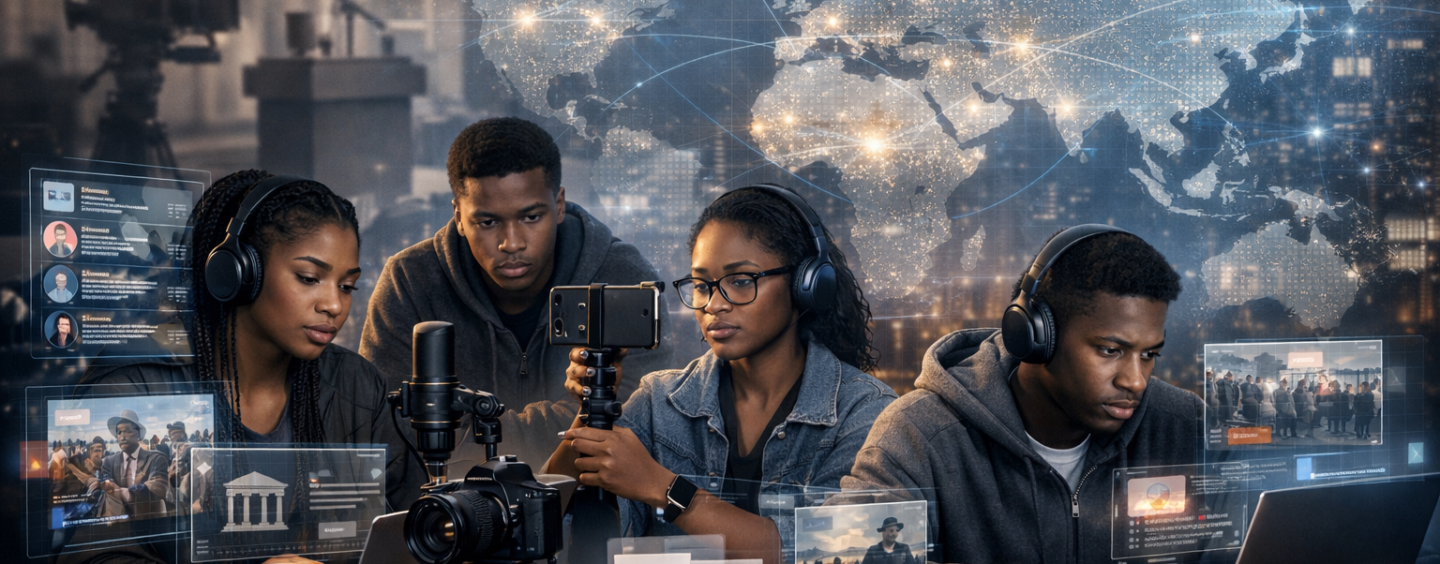
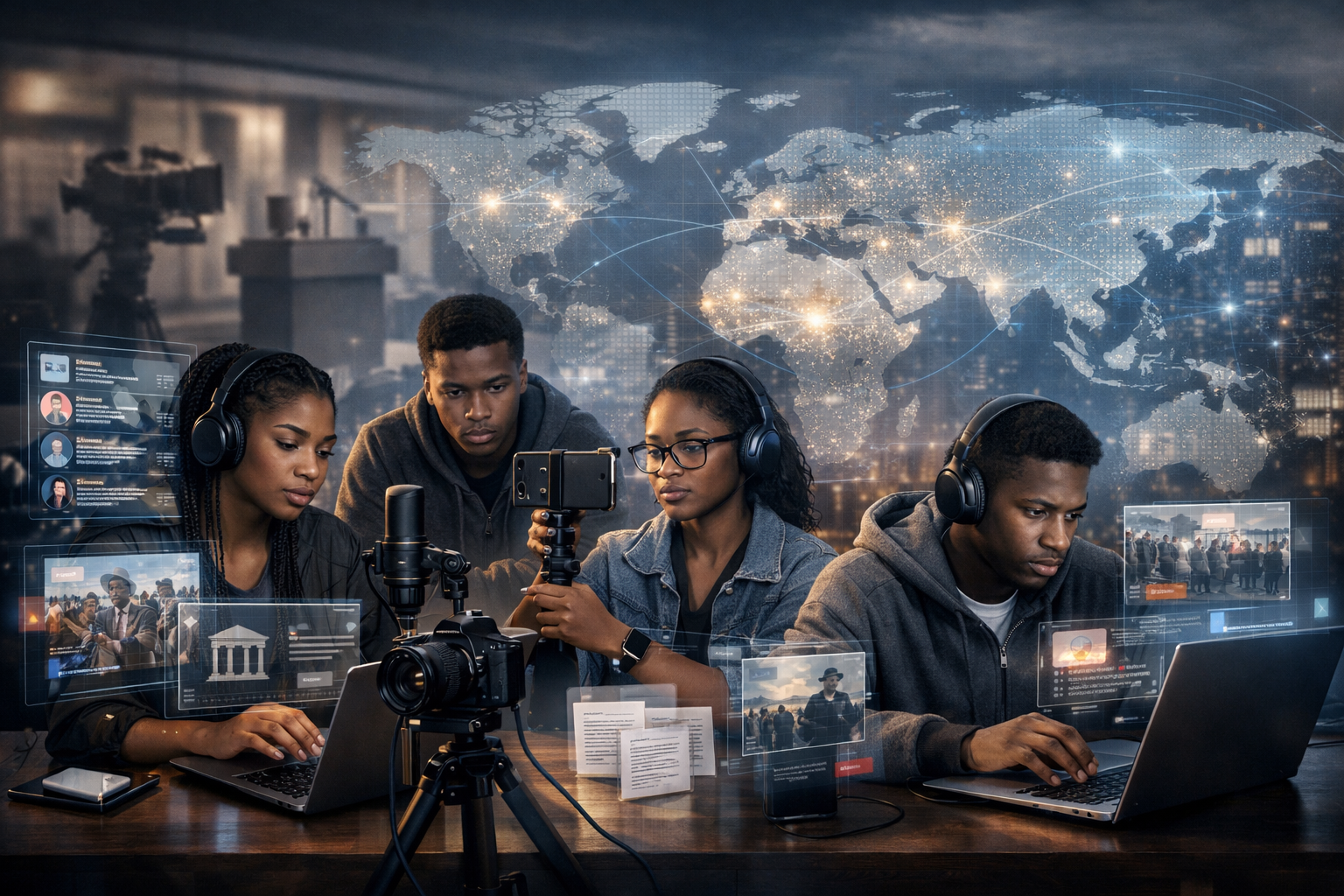
Across the United States, Africa, and the global African diaspora, a new generation of digital creatives is evolving into something far more powerful: citizen journalists and political educators. Armed with smartphones, editing tools, livestream platforms, and social networks, they are reshaping how political knowledge is produced, distributed, and trusted.
This shift is not cosmetic. It is structural.
The Collapse of Traditional Gatekeepers
Mainstream political education has long struggled with credibility in Black communities. Legacy media often ignored, minimized, or misrepresented Black experiences. Formal civic education rarely addressed systemic inequality, global power dynamics, or the lived realities of young people navigating racialized economies.
Digital platforms cracked that monopoly.
Today, Black youth no longer wait for permission to tell stories, analyze policy, or explain power. They produce explainer videos on voting rights, labor struggles, policing, climate justice, foreign policy, and Pan-African politics—often reaching audiences larger and more engaged than traditional outlets ever did.
In doing so, they have redefined who gets to educate the public.
From Creators to Civic Interpreters
What distinguishes this moment from earlier waves of online activism is intentionality. Many young creators are no longer focused solely on visibility or virality. They are building followings around interpretation—helping audiences understand not just what happened, but why it matters and how systems operate.
Short-form videos break down complex court rulings in plain language. Podcasts connect local struggles to global economic forces. Livestreams turn breaking news into interactive classrooms, where viewers ask questions in real time.
This is political education designed for participation, not consumption.
Citizen Journalism as Infrastructure
Citizen journalism is often dismissed as informal or unprofessional. In reality, it has become a parallel infrastructure—especially for communities underserved or misrepresented by mainstream media.
Black youth journalists document protests before cameras arrive, track local policy changes ignored by national outlets, and preserve narratives that would otherwise disappear. They archive history in real time, creating searchable records of events, speeches, and organizing strategies.
Crucially, this work is not neutral. It is openly values-driven, rooted in community accountability rather than institutional access. That transparency, paradoxically, has increased trust.
Political Education Without Borders
One of the most transformative aspects of this shift is its global reach. Diaspora youth are connecting struggles across borders—linking police violence in the United States to governance debates in Africa, or housing inequality in Europe to extractive economics in the Global South.
Digital platforms allow Black youth to situate local issues within global systems of power. This transnational perspective is reshaping political consciousness, particularly among young audiences who no longer see their futures as confined to one nation-state.
Political education is becoming Pan-African, comparative, and systemic.
Why Institutions Are Losing Control
This new ecosystem does not rely on universities, political parties, or corporate media. That independence is precisely what makes it powerful—and threatening.
Institutions accustomed to controlling narratives now find themselves reacting to them. Attempts to discredit citizen journalists often backfire, reinforcing perceptions that traditional gatekeepers are out of touch or defensive.
At the same time, platforms remain unstable. Algorithms change. Monetization is inconsistent. Many young educators labor without pay or protection. The infrastructure is powerful—but precarious.
What Comes Next
The next phase of this movement will hinge on sustainability and structure. As digital political education matures, key questions emerge:
- How do young citizen journalists fund their work without compromising independence?
- How can audiences distinguish rigorous analysis from misinformation without returning to elite gatekeeping?
- What new institutions—community-owned media, cooperatives, diaspora networks—can support this work long-term?
The answers will shape political education for decades.
Conclusion: A Redefined Public Square
Black youth are not merely participating in political discourse online. They are rebuilding the public square—one explainer, livestream, thread, and podcast at a time.
In an era when traditional systems of trust are eroding, their work demonstrates a powerful truth: political education does not require permission. It requires clarity, courage, and community.
The classroom is no longer confined to a campus.
The newsroom is no longer behind a paywall.
And the next generation of political educators is already live.
Calls to Action
- Donate to GDN – Greater Diversity News to support independent, youth-centered political education
- Subscribe – Greater Diversity News for weekly analysis you won’t find in legacy media
- Join the conversation—leave your take or a question in the comments
- Help grow The Economic Liberation of Africa conversation—forward to someone curious about Africa-centered opportunity



No Comments so far
Jump into a conversationNo Comments Yet!
You can be the one to start a conversation.Only registered users can comment.