
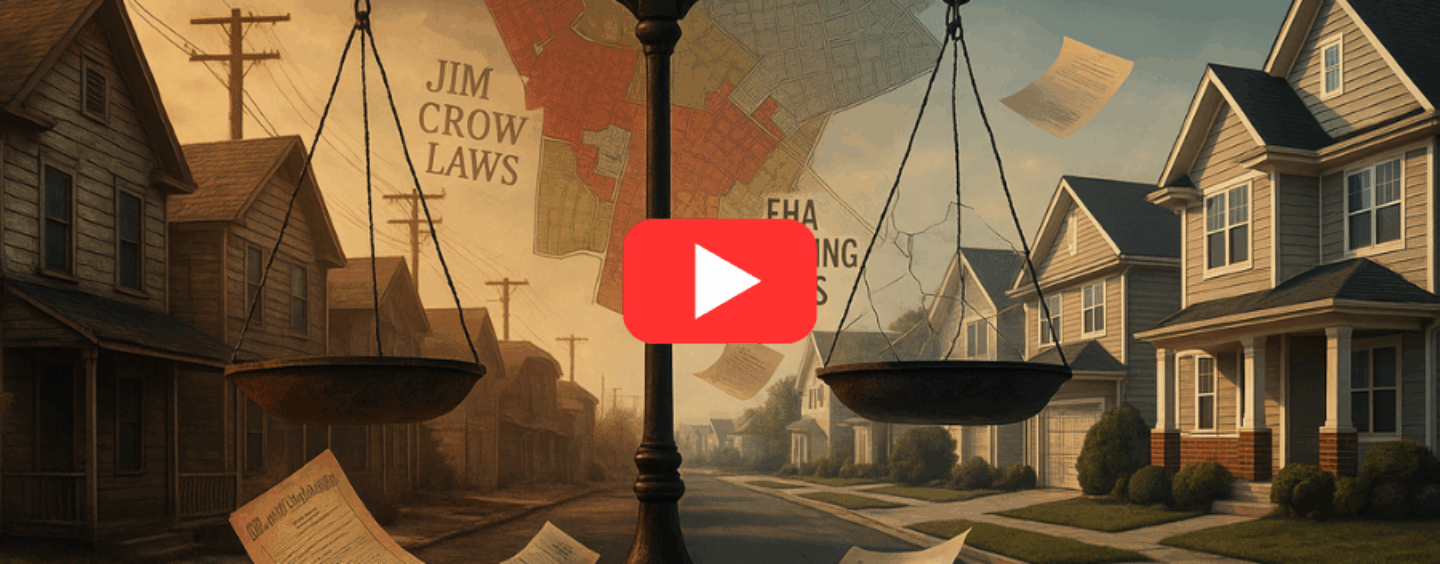
How Public Policy Built—and Still Sustains—the Racial Wealth Gap
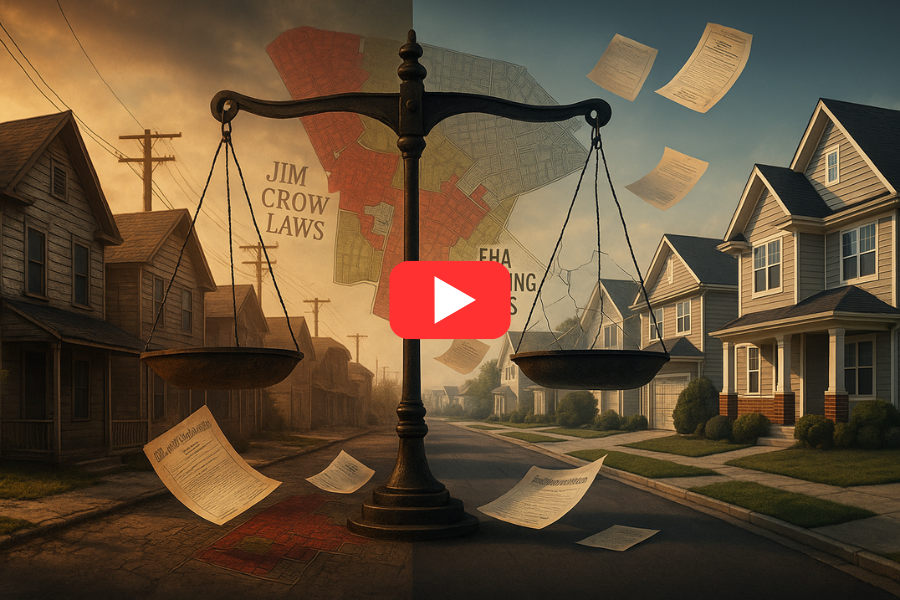
By Peter Grear, with AI assistance
Published: December 8, 2025
Introduction: Why Wealth, Not Income, Shapes a People’s Future
The racial wealth gap in the United States is not an academic debate—it is a living structure that shapes where people live, how communities grow, and what futures become possible. The gap is often discussed in terms of income, but as the Vox/Netflix documentary Explained: The Racial Wealth Gap makes clear, income is only part of the story. Wealth—assets, property, business equity, and inheritances—is where the real divide lives.
This article expands on the video’s central point: America’s wealth gap is not the product of personal shortcomings, cultural differences, or isolated historical accidents. It is the predictable outcome of deliberate, government-backed decisions that created prosperity for white families while blocking Black families from the same opportunities.
Understanding the mechanics behind this system is essential to understanding not only today’s inequity, but also the debates around DEI, reparations, and the growing movement toward global economic liberation.
The Head Start: Centuries of Wealth Generated but Never Paid
The documentary begins with a foundational truth: no group in American history contributed more uncompensated economic labor than enslaved Africans.
For 246 years, Black labor built massive fortunes across agriculture, banking, insurance, shipping, and manufacturing. Yet at emancipation, formerly enslaved families received no land, no compensation, and no assets—while the country they built kept the wealth and the momentum.
This is the great imbalance at the core of the wealth gap. White families began the post-slavery era with capital; Black families began with nothing but the hope of freedom.
Reconstruction’s Promise—and the Policies That Reversed It
After the Civil War, federal officials recognized that economic independence was the key to Black freedom. This is why Special Field Order No. 15 promised formerly enslaved families small parcels of land.
But as the film highlights, President Andrew Johnson overturned this promise with the stroke of a pen, returning land to former enslavers and stripping Black families of the nation’s first opportunity to reduce the gap.
This was the first major moment when the government consciously chose inequality over repair.
Jim Crow: The Legal Architecture of Poverty
For nearly a century after Reconstruction, Jim Crow laws created a legal and economic caste system. Sharecropping, disenfranchisement, racial terror, land theft, and discriminatory courts were not random acts of hostility—they were structured tools used to prevent Black families from accumulating wealth.
Black communities paid taxes to school systems and municipal governments that refused them equal access. Entire business districts were destroyed, families were displaced, and wealth-building opportunities were systematically denied.
The documentary stresses a difficult truth: poverty was engineered as the economic companion of segregation.
The New Deal and GI Bill: How “Race-Neutral” Policies Generated Unequal Outcomes
One of the most powerful points in Explained is its breakdown of the New Deal, FHA loans, and the postwar GI Bill. Although these programs were written without explicit racial language, they were implemented through local officials who maintained rigid segregation.
The result?
- Nearly all government-backed mortgages went to white families.
- Black veterans were denied college access, business loans, and housing support.
- Suburbs became white wealth incubators, while Black families were locked out of the greatest wealth-building boom in American history.
This is how the federal government seeded the modern racial wealth gap.
The 2008 Crash: A Modern Wealth Transfer
The documentary also shows how predatory lending targeted creditworthy Black families, steering them into high-cost mortgages. When the housing market collapsed, Black households lost more than half their total wealth in a single decade.
These losses were not merely financial—they represented the destruction of home equity, education funds, inheritance potential, and community stability.
Why This History Matters for the Present—and for the Global African Diaspora
The racial wealth gap did not appear by chance, and it will not disappear by accident. Understanding its architecture is essential for framing modern solutions—whether those solutions emerge from DEI initiatives, federal policy reform, community wealth strategies, or the African Union’s Sixth Region vision.
When Black Americans advocate for structural change, they are not asking for favors—they are asking for the correction of documented, measurable economic exclusion. And as the diaspora reimagines its global economic role, this understanding becomes even more urgent.
Join the Conversation
What part of the racial wealth gap’s history do you believe is least understood by the American public?
Join the conversation—leave your take or a question.
Help grow The Economic Liberation of Africa conversation—forward this article to someone curious about Africa-centered opportunity.
Support the Mission
Donate to GDN – Greater Diversity News | Subscribe – Greater Diversity News
Your support strengthens independent media committed to justice, equity, and the global economic empowerment of African people.



No Comments so far
Jump into a conversationNo Comments Yet!
You can be the one to start a conversation.Only registered users can comment.