
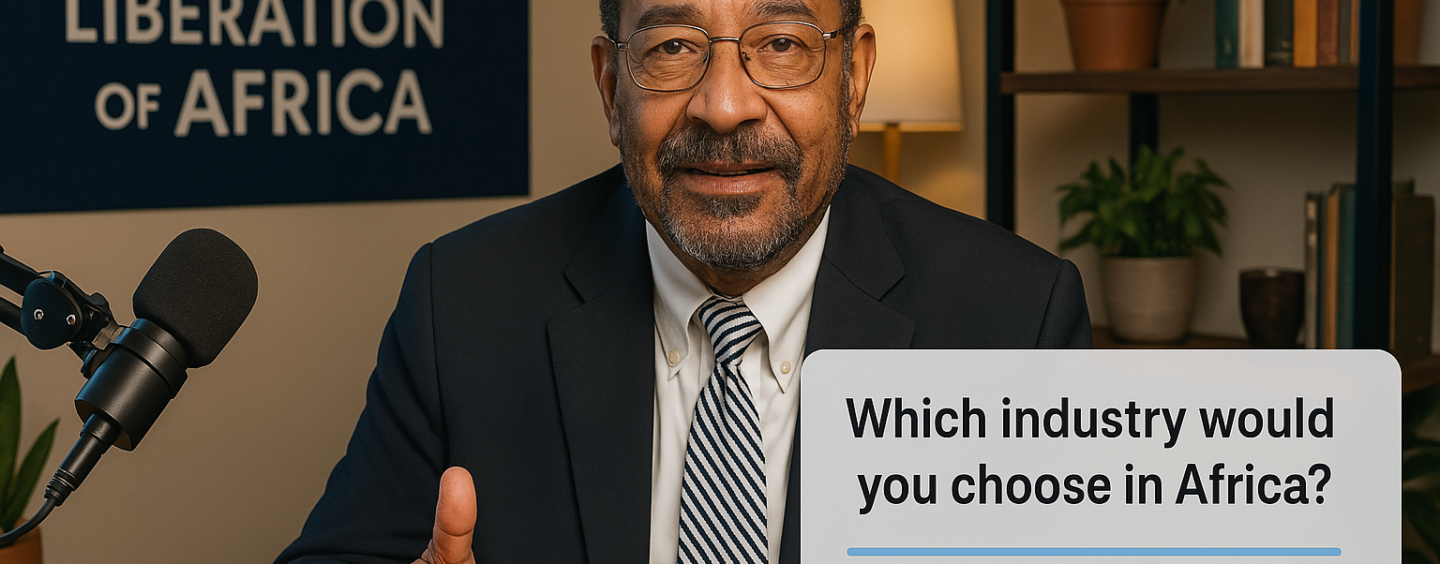
The New Gold Rush: Tapping African talent as the Key to Diaspora Wealth
 In recent years, the push for Diversity, Equity, and Inclusion (DEI) has faced significant opposition in the United States and other Western nations. Corporate initiatives aimed at increasing Black representation in leadership, procurement opportunities for minority-owned businesses, and equitable hiring practices are being scaled back or dismantled altogether. As these setbacks mount, Black entrepreneurs must rethink their long-term strategies and consider expanding their business operations to Africa, a continent rich with untapped potential and economic opportunities.
The Decline of DEI and Its Impact on Black Businesses
DEI policies have long served as a buffer against systemic exclusion, offering Black professionals and entrepreneurs access to spaces and resources historically withheld. However, with recent legal challenges, legislative pushbacks, and shifting corporate priorities, many Black-owned businesses are finding themselves increasingly sidelined. Federal and state policies that once encouraged minority business development are being challenged, making it even more difficult for Black entrepreneurs to thrive in traditional Western markets.
As a response, forward-thinking Black business leaders are exploring alternative avenues to economic empowerment. Africa, with its rapidly growing economies, youthful population, and increasing investment in infrastructure, offers a compelling solution.
Africa: A Land of Opportunity for Black Entrepreneurs
Africa is home to some of the fastest growing economies in the world. Countries like Nigeria, Ghana, Kenya, and Rwanda have implemented business-friendly policies, fostering innovation and entrepreneurship. The African Continental Free Trade Area (AfCFTA) is creating a unified market, making it easier to do business across borders and increasing intra-African trade.
Beyond economic growth, Africa presents opportunities for Black entrepreneurs to contribute meaningfully to industries such as technology, agriculture, real estate, manufacturing, and tourism. The continent’s growing middle class, increasing digital penetration, and demand for high-quality goods and services make it an ideal destination for business expansion.
Moreover, unlike in the U.S., where DEI policies are under attack, many African nations actively encourage investment from the global Black diaspora. Governments and private sector leaders recognize the value of collaborating with Black-owned businesses from abroad, offering tax incentives, residency opportunities, and other benefits to those willing to invest in the continent’s future.
The Economic Liberation of Africa Initiative: A Pathway to Connection
Recognizing the need to connect Black entrepreneurs with Africa’s business landscape, The Economic Liberation of Africa initiative, led by Greater Diversity News (GDN), is hosting exclusive events aimed at bridging this gap. This initiative seeks to educate, empower, and connect Black business leaders with African markets, offering them the tools and insights needed to successfully transition or expand their enterprises.
This series of virtual meetings will be held, featuring expert discussions and insights from present investors who have successfully navigated this journey. These sessions will provide firsthand knowledge about navigating the African business environment, offering insights into investment opportunities, legal frameworks, and success stories from entrepreneurs who have already made the leap.
Strengthening DEI Boycotts Through Global Activism
As multinational corporations roll back their commitments to DEI, targeted boycotts and economic activism can be strengthened through global solidarity. When Black consumers and businesses in the West align their economic power with the African market, it not only pressures corporations to reconsider their actions but also fosters sustainable Black-owned enterprises. Global activism, particularly when coordinated across continents, has the potential to reshape corporate accountability and drive meaningful policy changes. By leveraging Africa’s growing economic influence, the global Black community can create new pathways for financial independence while holding corporations accountable for their commitments to diversity and inclusion.
Why Now is the Time to Act
As Black business owners face increasing challenges in Western markets, the time to look towards Africa is now. The continent’s wealth of opportunities, coupled with the strong cultural and historical ties that many in the diaspora share with Africa, make it a logical choice for business expansion.
Beyond economic gain, investing in Africa is a strategic move for global Black empowerment. It ensures that Black entrepreneurs remain in control of their financial destinies while contributing to the sustainable development of African economies. Moreover, by establishing businesses in Africa, Black entrepreneurs can create job opportunities, support local communities, and build lasting legacies that benefit both the diaspora and the continent.
Conclusion
The rollback of DEI policies should not be seen as an end but rather a catalyst for innovation and exploration. By turning towards Africa, Black entrepreneurs can access new markets, build generational wealth, and contribute to the economic liberation of people of African descent worldwide.
The Economic Liberation of Africa initiative offers a direct pathway to making this vision a reality. Black business leaders, investors, and innovators must seize this moment to explore, connect, and invest in the boundless opportunities that Africa has to offer.
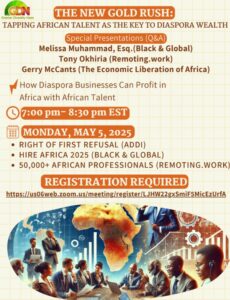
Click here to register
Written by Peter Grear, AI assisted



No Comments so far
Jump into a conversationNo Comments Yet!
You can be the one to start a conversation.Only registered users can comment.