
The SAVE Act and the Struggle Over the Ballot: Security, Access, and the Future of American Democracy
By Peter Grear, with AI assistance
February 13, 2026
As Congress debates the Safeguard American Voter Eligibility (SAVE) Act, the legislation has emerged as one of the most consequential and controversial voting proposals in recent years. Supporters frame it as a necessary reform to protect election integrity. Critics warn that it risks creating new barriers for millions of eligible American voters.
At the heart of the SAVE Act is a requirement that individuals present documentary proof of U.S. citizenship—such as a passport or birth certificate—when registering to vote in federal elections. Current federal law already prohibits non-citizens from voting and requires registrants to attest under penalty of perjury that they are citizens. The SAVE Act would go further by mandating formal documentation at the point of registration.
Supporters argue that this change strengthens public confidence in elections. In an era marked by political polarization and distrust, proponents say clearer verification standards help eliminate doubts about voter eligibility. From their perspective, the legislation is preventative—a safeguard designed to ensure that only citizens participate in federal elections and that systems are not vulnerable to abuse.
But critics contend that the bill addresses a problem that data suggest is extremely rare. Documented cases of non-citizen voting in federal elections have historically been minimal. For voting rights advocates, the greater risk lies not in fraud, but in disenfranchisement.
The central concern is access to documentation.
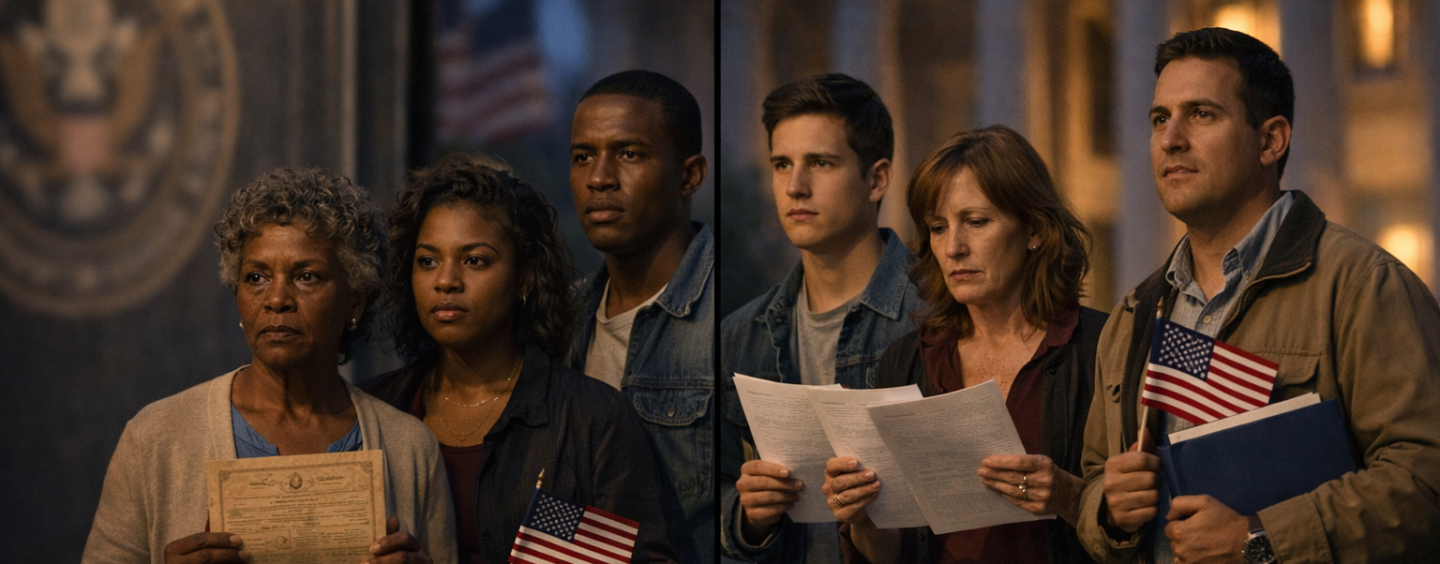
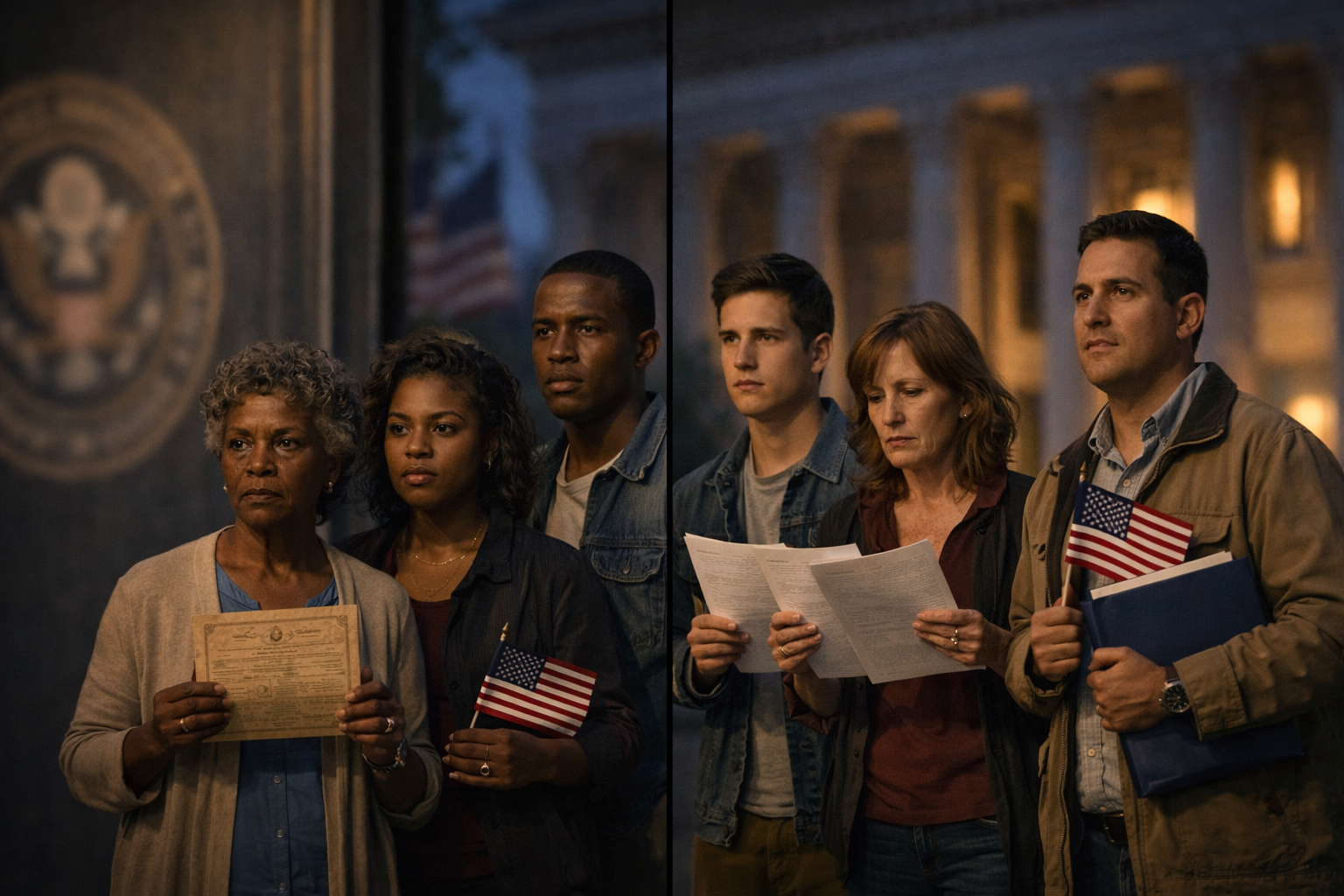
While many Americans possess passports or readily available birth certificates, millions do not. According to critics, the burden of obtaining or producing such documentation could disproportionately affect certain groups: elderly citizens born at home without easily retrievable records, low-income voters who cannot afford replacement fees, rural residents with limited access to government offices, and married women whose birth certificates reflect maiden names that differ from their current identification.
For naturalized citizens, the documentation hurdle could be even more complicated. Citizenship papers are often stored securely and not routinely carried or easily replaced. If required repeatedly or under tight timelines, critics argue, these processes could discourage participation.
Students are also frequently cited in the debate. Young voters registering for the first time—particularly those living away from home—may face logistical barriers gathering required paperwork. Even modest administrative steps can become obstacles when deadlines are tight and awareness is limited.
Election administrators have raised another concern: implementation.
Local election offices, many already under strain, would need to update registration systems, verify documents, resolve discrepancies, and train staff. Without additional federal funding and technical infrastructure, the mandate could increase administrative backlogs and slow voter registration processing.
Civil liberties organizations also warn that documentation mismatches—such as hyphenated names, spelling variations, or clerical errors—could lead to delays or rejections. Even if unintended, critics argue, these complications could produce uneven impacts across communities.
Supporters respond that reasonable verification requirements are common in many aspects of civic life and that protecting election systems is foundational to democracy. They argue that citizens should expect to prove eligibility and that strengthening safeguards does not inherently suppress participation.
This tension—between security and accessibility—defines the SAVE Act debate.
At its core lies a philosophical question: Should the burden of proof in voting lean toward prevention of rare ineligible registrations, or toward maximizing participation among eligible citizens? How much friction is acceptable in the name of integrity? And who bears the cost when new standards are imposed?
The debate is unfolding against a broader national backdrop. Over the past decade, the United States has seen heightened disputes over voter ID laws, early voting access, mail ballots, registration deadlines, and polling site locations. Each reform is presented by supporters as enhancing integrity and by opponents as restricting access.
The SAVE Act is now part of that larger historical arc.
Whether the bill advances or stalls in the Senate, its impact is already visible. It has intensified conversations about the mechanics of democracy and exposed deep divisions over how to balance trust and inclusion.
For critics, the concern is not only procedural but symbolic. They worry that measures framed around suspicion—absent widespread evidence of systemic abuse—can erode confidence rather than restore it. For supporters, failing to tighten safeguards risks undermining faith in outcomes.
The future of the SAVE Act remains uncertain. What is clear is that the debate surrounding it reflects a deeper national reckoning: How should the United States define access to the ballot in the 21st century? And how can election systems be both secure and broadly inclusive?
The answers will shape not only upcoming elections, but the long-term trajectory of American democratic participation.
Join the conversation—leave your take or a question.
Help grow The Economic Liberation of Africa conversation—forward to someone curious about Africa-centered opportunity.
Donate to GDN – Greater Diversity News | Subscribe – Greater Diversity News.



No Comments so far
Jump into a conversationNo Comments Yet!
You can be the one to start a conversation.Only registered users can comment.