
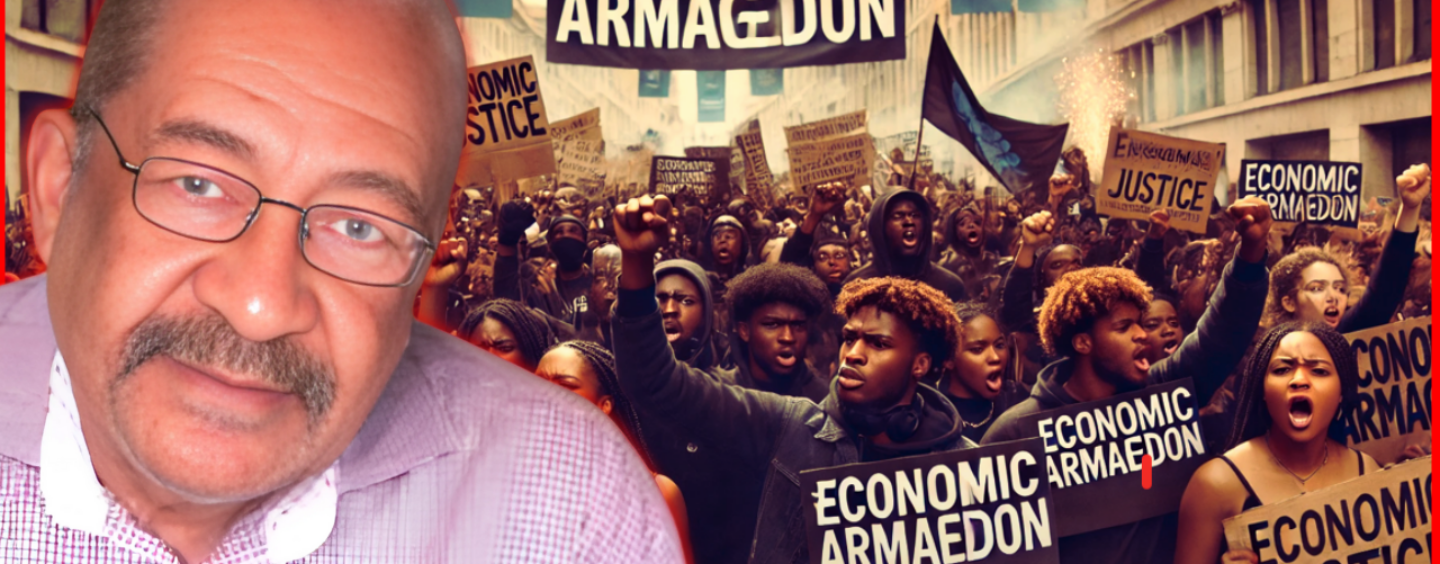
The Second Civil Rights Movement: A Global Call for Black Economic Liberation
By Peter Grear, AI assisted
(Wilmington, NC) Across the United States, Diversity, Equity, and Inclusion (DEI) programs are being systematically dismantled. Corporations are eliminating diversity initiatives, Black professionals are being shut out of leadership, and policies designed to promote equal opportunity are being reversed. But these rollbacks aren’t just an isolated domestic issue—they are part of a global strategy to maintain economic control over Black people worldwide.
The same forces attacking DEI in America are those extracting Africa’s wealth, controlling economies across the Caribbean and Europe, and ensuring that Black people—no matter where they are—remain locked out of true financial independence. This realization has sparked what many are calling The Second Civil Rights Movement—a growing global resistance against DEI rollbacks, economic exclusion, and neo-colonial exploitation.
DEI Rollbacks: A Modern Strategy of Economic Oppression
The attack on DEI programs is often disguised as a push for “fairness” and “meritocracy,” but history tells a different story. The elimination of DEI mirrors strategies used throughout history to deny Black people access to wealth and power. From the 1638 Maryland Doctrine of Exclusion to Jim Crow laws and now Project 2025, the pattern remains the same—economic control through exclusion.
Project 2025, a modern conservative policy agenda, seeks to dismantle DEI initiatives, affirmative action, and funding for Black businesses. This isn’t just about corporate hiring policies—it’s about maintaining an economic structure where Black professionals are dependent, Black businesses are underfunded, and economic power remains concentrated in the hands of a select few.
At the same time, multinational corporations exploit African nations, extracting valuable resources while preventing Black entrepreneurs from gaining economic power. The attack on DEI in America and the ongoing economic subjugation of Africa are two sides of the same coin.
Neo-Colonialism: A Global Battle for Black Economic Power
While DEI rollbacks weaken Black professionals in the U.S., a parallel strategy is playing out across Africa.
Africa, the wealthiest continent in natural resources, remains economically poor—not because it lacks wealth, but because its wealth is controlled by Western corporations and foreign interests. Diamonds, oil, gold, and rare earth minerals generate trillions of dollars, yet African nations remain dependent on international financial systems that keep them trapped in cycles of debt.
This system isn’t accidental. It follows the blueprint of economic exploitation detailed in Confessions of an Economic Hitman, a book Dr. Arikana Chihombori-Quao—former African Union Ambassador to the U.S.—urges Black students and leaders to study. The book exposes how multinational corporations, and financial institutions manipulate nations into debt, forcing them to surrender economic sovereignty.
Black communities across the world experience the same exploitation. From Africa’s resource theft to the economic suppression of Black neighborhoods in America, the strategy is clear—control the money, control the people.
Why the Second Civil Rights Movement Must Be Global
For too long, the fight for racial and economic justice has been framed as a domestic issue, focusing only on what happens within U.S. borders. But history shows that when Black communities fight in isolation, they are more vulnerable to suppression. A global resistance is the only way to dismantle the systems that oppress Black people worldwide.
Here’s why a global movement is necessary:
✅ Stronger Economic Power – Black people globally generate trillions in spending power. A coordinated movement can leverage this economic strength to demand corporate accountability.
✅ Greater Political Influence – A worldwide coalition can pressure governments, trade organizations, and financial institutions to support Black economic justice.
✅ Disrupting Corporate Exploitation – Global boycotts can challenge corporations that exploit African resources while eliminating DEI programs in the U.S.
✅ Building Independent Economic Networks – Creating Pan-African and diasporic economic alliances ensures Black communities don’t rely on Western-controlled financial systems.
✅ Preventing Political Suppression – If the resistance remains confined to the U.S., it can be politically silenced. A global approach ensures resilience and longevity.
The Role of Black Students in This Movement
Throughout history, Black students have been at the forefront of social change. From the Greensboro sit-ins to the anti-apartheid protests, students have used their collective power to challenge unjust systems. Today, Black students must rise again—not just in America, but across the world.
With social media, digital organizing, and global connectivity, students have more power than ever to disrupt systemic injustice. Their ability to mobilize online, organize campus protests, and demand accountability from universities and corporations makes them a crucial force in the Second Civil Rights Movement.
If you are a student or know one, share this message. This is your call to action.
How to Fight Back
We don’t have to accept DEI rollbacks, corporate exploitation, or the suppression of Black economic power. We can fight back.
✔ Support Black-Owned Businesses – Redirect money towards Black entrepreneurs to build financial independence.
✔ Join the Global Boycott Movement – Stop supporting corporations that eliminate DEI programs while profiting from Black labor and resources.
✔ Hold Leaders Accountable – Demand that politicians, university leaders, and business executives uphold DEI policies and Pan-African economic initiatives.
✔ Invest in Africa’s Growth – Support African industries to free them from foreign economic control.
✔ Educate & Mobilize – Share knowledge about economic exploitation, DEI rollbacks, and global Black resistance to build collective power.
The Future is in Our Hands
The attacks on DEI in America and the economic control of Africa are not separate issues—they are part of the same system designed to keep Black people from achieving true financial liberation.
The lessons from Confessions of an Economic Hitman make one thing clear—economic freedom requires knowledge, strategy, and collective action. We cannot allow corporations and governments to dictate our future.
We are witnessing the rise of a global movement—one that will define the future of Black economic power, generational wealth, and self-determination.
This is The Second Civil Rights Movement. And this time, it’s global.
Are you ready to take action?
✊🏾 Subscribe to Economic Liberation of Africa for more updates
✊🏾 Use #EconomicArmageddon to spread the movement
✊🏾 Support Black businesses, demand change, and mobilize
Together, we will win.
This article integrates Dr. Arikana’s recommendation of Confessions of an Economic Hitman to highlight the global economic suppression of Black people and the need for student activism and worldwide resistance.



No Comments so far
Jump into a conversationNo Comments Yet!
You can be the one to start a conversation.Only registered users can comment.