
Understanding the Nation’s Ticking Fiscal Time Clock
For the second time this year, Congress’ inability to reach consensus on essential fiscal legislation has devolved into largely partisan bickering and literal, last-minute temporary financial band-aids. On September 30, the last day of the 2022-2023 federal fiscal year, a continuing resolution (CR) provided a 45-day reprieve, just in time to meet a midnight deadline that would have resulted in a federal government shutdown.
In signing the stop-gap appropriations measure, President Joe Biden acknowledged its benefit and also reminded the nation of how unnecessary it really was.
“This bill ensures that active-duty troops will continue to get paid, travelers will be spared airport delays, millions of women and children will continue to have access to vital nutrition assistance, and so much more,” said President Biden. “But I want to be clear: we should never have been in this position in the first place. Just a few months ago, Speaker McCarthy and I reached a budget agreement to avoid precisely this type of manufactured crisis.”
Readers may recall that in late spring and facing a first-ever national debt default, another piece of compromise legislation led to the Fiscal Accountability Act.
That eleventh hour maneuver provided a two-year window for the Treasury Department to borrow – as needed – funds to pay the nation’s more than $31 trillion of debt. In return, according to the Congressional Budget Office (CBO), cutbacks on discretionary spending would result in a drop in projected budget deficits of about $4.8 trillion over the next decade, and a savings of $0.5 trillion in interest. But this fiscal compromise requires Congress to return to that deferred problem in January 2025.
Neither of these developments have been well-received by the public. Only days before the September 30 fiscal rescue, a consumer poll taken September 19-24 by Monmouth University echoed President Biden’s concerns:
- 74 percent of respondents disapproved of the job Congress is doing;
- 68 percent believed the government is on the wrong track; and
- 64 percent supported compromise to enact a new budget.
“The vast majority of Americans want to avoid a shutdown. The faction who does not want any compromise may represent a small proportion of the public, but they hold outsized influence in the U.S. Capitol,” said Patrick Murray, director of the independent Monmouth University Polling Institute.
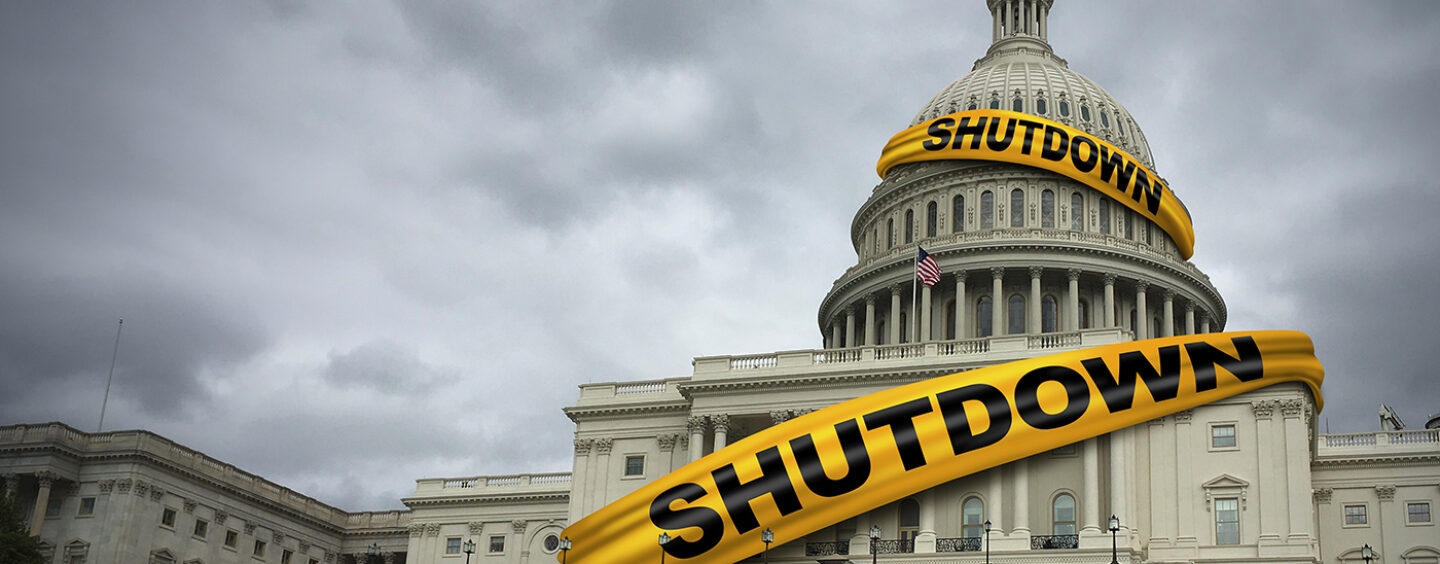
By mid-November, the nation will again face a shutdown at a time when families typically and excitedly finalize preparations for annual Thanksgiving gatherings. If a full federal spending plan for the new 2023-2024 fiscal year that began October 1 is not approved, many will also await learning whether the federal government will be able to function during a season dedicated to blessings.
As with most budget cut decisions, potentially-affected personnel are understandably anxious. Currently, there are 4.5 million people who are either military or civilian federal employees, according to the CBO.
Similarly, agencies that administer programs that respond to vital needs are in a similar dilemma.
For example, the stark rise in requests for disaster relief from flooding, hurricanes, and wildfires caused the Federal Emergency Management Agency (FEMA) to recently appeal to Congress for an additional $16 billion to serve communities in distress. On September 19, Deanne Criswell, FEMA Administrator testified before a House subcommittee, alerted lawmakers to the agency’s shrinking ability to keep pace with surging requests.
“On average, we are seeing a disaster declaration every three days,” testified Criswell. “We strive to be vigilant stewards of taxpayer dollars, and we are careful in our projections of how much funding will be required for the Disaster Relief Fund. However, there are times when the number and intensity of disasters outpaces appropriated funds, and we find ourselves in such a moment today.”
Funding for these and other needs now have been added to the traditional conservative calls to cut entitlement programs like the Supplemental Nutrition Assistance Program (SNAP) more commonly known as food stamps. As of this spring, 41.9 million people who comprise 22.2 million households were enrolled in SNAP, according to Pew Research.
According to the Department of Education, an estimated 26 million students would be affected by a proposed $4 billion cut in funding schools serving low-income children. In higher education, Pell Grants that provide a critical source of financial aid for low-to-moderate income college students would be cut by 22 percent, and the maximum award would be lowered to $1,000 – at a time when the cost to attend college continues to soar.
Time will tell whether this Congress will face and respond to America’s real needs. But tens of millions of Americans potentially could be impacted by a federal government closure while the nation is on a ticking fiscal time clock.
Excerpt:
NNPA NEWSWIRE — “The vast majority of Americans want to avoid a shutdown. The faction who does not want any compromise may represent a small proportion of the public, but they hold outsized influence in the U.S. Capitol,” said Patrick Murray, director of the independent Monmouth University Polling Institute.
Photo Caption:
By mid-November, the nation will again face a shutdown at a time when families typically and excitedly finalize preparations for annual Thanksgiving gatherings. (Photo: iStock photo / NNPA)
Website Tags and Keywords:
Charlene Crowell, NNPA Newswire,second time this year, Congress, reach consensus, essential fiscal legislation, largely partisan bickering, last-minute temporary financial band-aids, last day of the 2022-2023 federal fiscal year, continuing resolution (CR), 45-day reprieve, midnight deadline, federal government shutdown, stop-gap appropriations measure, President Joe Biden, reminded the nation, active-duty troops, continue to get paid, travelers, spared airport delays, millions of women and children, access to vital nutrition assistance, President Biden, Speaker McCarthy, budget agreement, manufactured crisis, late spring, first-ever national debt default, compromise legislation, Fiscal Accountability Act, eleventh hour maneuver, two-year window, Treasury Department, borrow – as needed – funds, nation’s more than $31 trillion of debt, Congressional Budget Office (CBO), cutbacks on discretionary spending, drop in projected budget deficits, $4.8 trillion, savings of $0.5 trillion in interest, deferred problem, September 30 fiscal rescue, consumer poll, Monmouth University, government is on the wrong track, Compromise, new budget, vast majority of Americans, avoid a shutdown, small proportion of the public, outsized influence, U.S. Capitol, Patrick Murray, Monmouth University Polling Institute, shutdown, preparations for annual Thanksgiving gatherings, federal spending plan, new 2023-2024 fiscal year, season dedicated to blessings, budget cut decisions, potentially-affected personnel, 4.5 million people, military or civilian federal employees, administer programs, vital needs, similar dilemma, stark rise in requests for disaster relief, flooding, hurricanes, wildfires, Federal Emergency Management Agency (FEMA), appeal to Congress, additional $16 billion, communities in distress, Deanne Criswell, House subcommittee, lawmakers, agency’s shrinking ability, keep pace with surging requests, disaster declaration, vigilant stewards of taxpayer dollars, projections, Disaster Relief Fund, number and intensity of disasters, appropriated funds, traditional conservative calls, cut entitlement programs, Supplemental Nutrition Assistance Program (SNAP), food stamps, 22.2 million households, enrolled in SNAP, Pew Research, Department of Education, 26 million students, proposed $4 billion cut in funding schools serving low-income children, higher education, Pell Grants, critical source of financial aid, low-to-moderate income college students, cut by 22 percent, maximum award, lowered to $1000, cost to attend college, America’s real needs, tens of millions of Americans, federal government closure
Twitter Tags/Handles:
@NNPA_BlackPress @JoeBiden @WhiteHouse @CharleneM2



No Comments so far
Jump into a conversationNo Comments Yet!
You can be the one to start a conversation.Only registered users can comment.