
Congo’s Youth Uprising: A Path Toward Peace and Economic Liberation
By Peter Grear, AI assisted
Are you a Pan-Africanist? The Democratic Republic of Congo (DRC) is a country with immense potential, rich in natural resources, and home to resilient people. But for decades, this Central African nation has been besieged by conflict, particularly in its eastern regions, where various rebel groups, most notably the M23 rebels, have waged war against the Congolese government. Despite several peace agreements, the conflict rages on, leaving millions displaced and causing widespread suffering. In recent years, however, a new force has emerged, one that offers hope for both peace and progress: the youth of Congo.
The M23 rebel group has been at the heart of the conflict in Eastern Congo. Formed by ethnic Tutsis who broke away from the Congolese army in 2012, the M23 claims to protect the interests of their ethnic group. However, the group has been responsible for some of the most violent clashes in the region, battling the Congolese army for control of key areas like Goma, the capital of North Kivu province.
Ethnic tensions and regional politics have further complicated the situation. The Democratic Republic of Congo has accused neighboring Rwanda of supporting the M23 rebels, an allegation that Rwanda denies. The United Nations has also pointed to Rwanda’s involvement, claiming that Kigali has provided funding, training, and equipment to the rebels. Rwanda, in turn, accuses the DRC of supporting Hutu rebel groups responsible for attacks against Tutsis in both countries. These allegations have created a complex web of conflict that has made peace difficult to achieve.
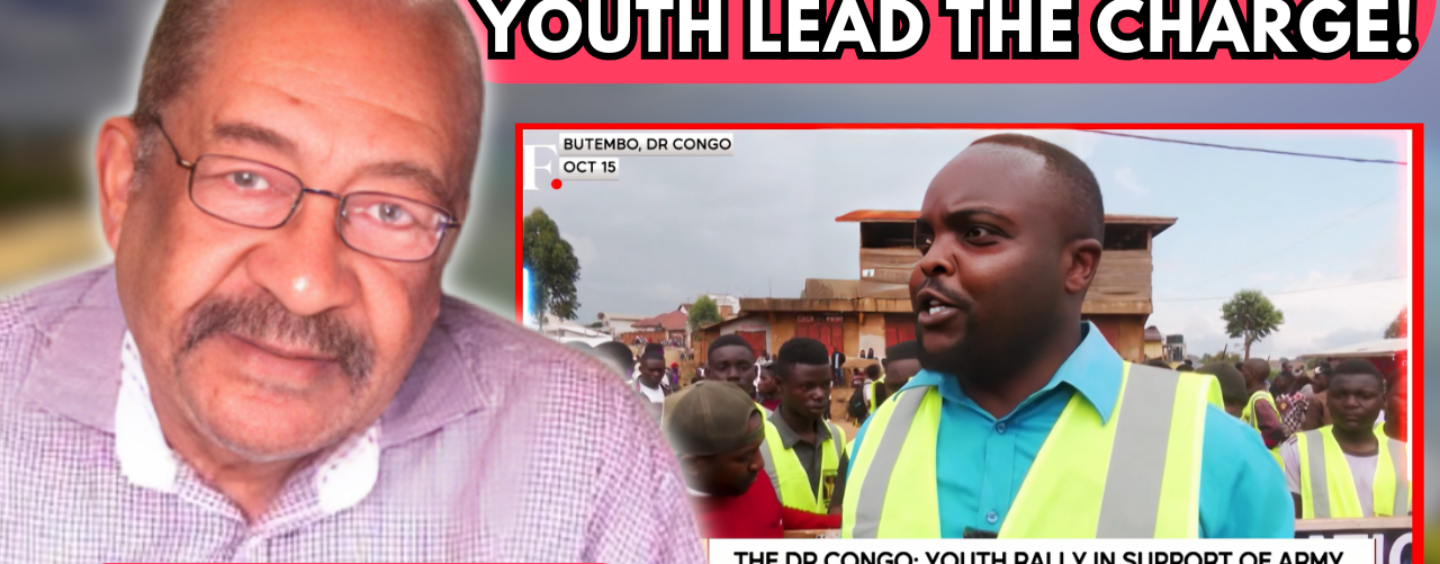
Amidst this ongoing conflict, the youth of Congo have risen up as a powerful force. In recent months, youth-led protests have erupted in cities across Eastern Congo, with hundreds of young people taking to the streets to express their frustration with the violence and their support for the Congolese army, known as the FARDC. These protests are not just about expressing anger; they are part of a larger movement to push for change.
Youth in Congo see themselves as crucial actors in the fight for both peace and economic liberation. For many years, the youth have watched as their country’s immense wealth has been drained by conflict and corruption. Now, they are demanding an end to the violence and a chance to build a future where Congo’s resources benefit its people, rather than fueling war.
As an advocate for African youth empowerment, I am highlighting the significance of the youth movement in Congo. “African youth are an indispensable part of the movement to economically liberate Africa”. The need is for youth to be at the forefront of discussions on peace and development, as they are not only the future of Africa but the present.
The youth protests in Congo have sent a clear message: the people are tired of war, and they are ready for peace. But achieving peace will require more than just protests. It will require a concerted effort by both the international community and local populations to support the Congolese army in its fight against rebel groups while simultaneously fostering an environment where peace can take root.
One of the biggest challenges is ensuring that any peace agreement is not just a temporary truce but a lasting solution. Previous peace agreements, such as the one signed in 2012, have been broken by the M23 rebels, leading to renewed violence. For peace to be sustainable, it must address the underlying issues that fuel the conflict, including ethnic tensions, regional dynamics, and the exploitation of natural resources.
International support is also crucial. The United Nations and neighboring countries must play an active role in facilitating negotiations and ensuring that all parties are held accountable. The international community can also provide critical resources, such as training and intelligence-sharing, to strengthen the Congolese army’s capacity to defend its territory and protect its people.
In addition to international support, local populations in Eastern Congo must be better informed and mobilized to show solidarity with the Congolese army. Youth leaders have called for stronger military action against the rebels, but they have also emphasized the importance of educating the population about the root causes of the conflict and the need for unity.
One youth leader from Butembo, a city in Eastern Congo, explained, “We called for great solidarity, for strong mobilization, to try to educate the population… if we are currently suffering, it is partly because we are also responsible for our suffering, as we do not support our army enough.” This sentiment reflects a growing recognition among Congo’s youth that peace cannot be achieved by the military alone; it requires the active participation of the entire community.
The road to peace in Congo is long and fraught with challenges, but there is hope. The youth of Congo are stepping up, and their determination to bring about change is inspiring. They are not just demanding an end to the conflict; they are calling for economic liberation, a future where Congo’s wealth is used to benefit its people, not to fuel war.
As the world watches, it is clear that the people of Congo are ready for peace. But achieving that peace will require action from all sides—international support, local mobilization, and the continued resilience of Congo’s youth. With solidarity, strength, and strategy, peace is possible, and the youth of Congo are proving that they are more than just the future; they are the present.
This article highlights the ongoing DRC conflict, the role of youth in the fight for peace, and the broader movement toward economic liberation, offering insights into the complex dynamics at play.



No Comments so far
Jump into a conversationNo Comments Yet!
You can be the one to start a conversation.Only registered users can comment.