
A Perfect Storm: How DEI Attacks, Corporate Exploitation, and Activist Networks are Reshaping the Fight for Global Economic Equity
By Peter Grear, AI assisted
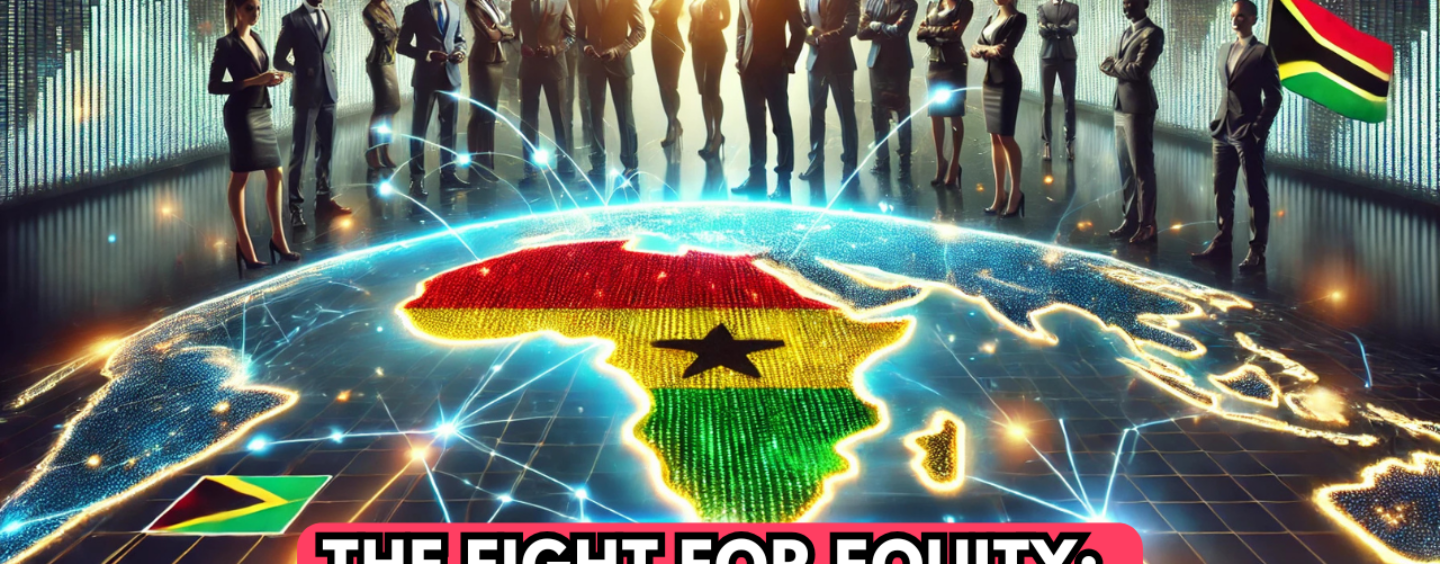
The recent wave of attacks on Diversity, Equity, and Inclusion (DEI) initiatives by conservative forces in the United States has amplified tensions in an already polarized global discourse. Multinational corporations like Walmart, once touted for their efforts to promote inclusivity and fairness, now find themselves under scrutiny not only for their domestic policies but also for their exploitative practices abroad—especially in Africa. This convergence of DEI backlash, multinational exploitation, and the rise of a hyperconnected world creates a unique moment for Pan-Africanists, progressives, and DEI advocates to challenge white supremacist systems that continue to deny Black communities’ economic equity on a global scale.
DEI Under Siege
In the U.S., DEI programs have faced relentless criticism and defunding efforts. Critics argue that these initiatives sow division, while proponents emphasize their role in addressing systemic inequities. Companies like Walmart, which previously positioned themselves as allies of DEI principles, are now accused of retreating under pressure from politically motivated campaigns. This retreat signals not just a domestic crisis but a broader disillusionment with corporate commitments to racial and economic justice.
These attacks on DEI programs have reverberated globally, highlighting the interconnected nature of systemic inequality. When American corporations undermine their DEI commitments, their influence extends to their international operations, perpetuating exploitative practices in the Global South, particularly Africa.
Multinational Exploitation of Africa
Africa’s resources have been a target of global exploitation for centuries, first through colonialism and now through the mechanisms of neo-colonialism. Multinational corporations extract vast wealth from African nations, often leaving behind environmental destruction, poor labor conditions, and deepened economic inequality. Walmart, for instance, has been accused of benefiting from supply chain structures that rely on cheap labor and inadequate regulatory oversight, a pattern mirrored by many global giants operating in Africa.
This exploitation is not an isolated phenomenon. It is deeply rooted in a white supremacist global economic system that treats Africa and other developing regions as mere resource wells for the wealthier North. The resulting disparities in wealth and development perpetuate cycles of poverty and dependency, denying African countries and their people the economic sovereignty they deserve.
The Role of a Wired World
What makes this moment unique is the transformative power of a wired, hyperconnected world. The internet has bridged distances, allowing activists, thought leaders, and everyday citizens to organize and mobilize across continents. Social media platforms have become powerful tools for exposing injustice and galvanizing global support for African causes.
For instance, movements like #EndSARS in Nigeria and #AfricaIsNotADump have drawn international attention to critical issues. These movements demonstrate that, in a connected world, the voices of the oppressed can no longer be easily silenced. Pan-Africanists and progressives now have unprecedented opportunities to challenge the narrative and demand accountability from corporations and governments alike.
The Emergence of Experienced Activists
Adding fuel to this fire is the growing cohort of experienced activists who understand how to leverage these tools effectively. Leaders in the Pan-Africanist movement, many of whom have spent decades building coalitions and advocating for justice, are using the current climate to amplify their demands for economic equity. These activists are calling for a new paradigm—one that prioritizes fair trade, equitable resource distribution, and the dismantling of exploitative corporate practices.
The narrative they are pushing is clear: Africa is not a charity case but a continent brimming with potential. Its young population, abundant resources, and innovative spirit are assets that, if properly nurtured, could transform not only the continent but the global economy.
However, this transformation requires the dismantling of entrenched systems of exploitation.
A Call to Action
The convergence of DEI attacks, corporate exploitation, and global connectivity presents a rare opportunity for change. For Pan-Africanists, progressives, and DEI advocates, the task is twofold: resist the rollback of inclusivity in the West and confront the neo-colonial practices of multinational corporations in the Global South.
This requires a unified front that transcends national boundaries and centers the voices of those most affected. It means holding corporations accountable for their actions both domestically and abroad. It also means pushing for systemic change that addresses the root causes of economic inequality.
In this perfect storm, the potential for progress is immense. But it will require sustained effort, innovative strategies, and unwavering commitment to the principles of equity and justice. The fight for Black economic equity worldwide is far from over, but the tools and momentum to achieve it have never been more within reach.



No Comments so far
Jump into a conversationNo Comments Yet!
You can be the one to start a conversation.Only registered users can comment.